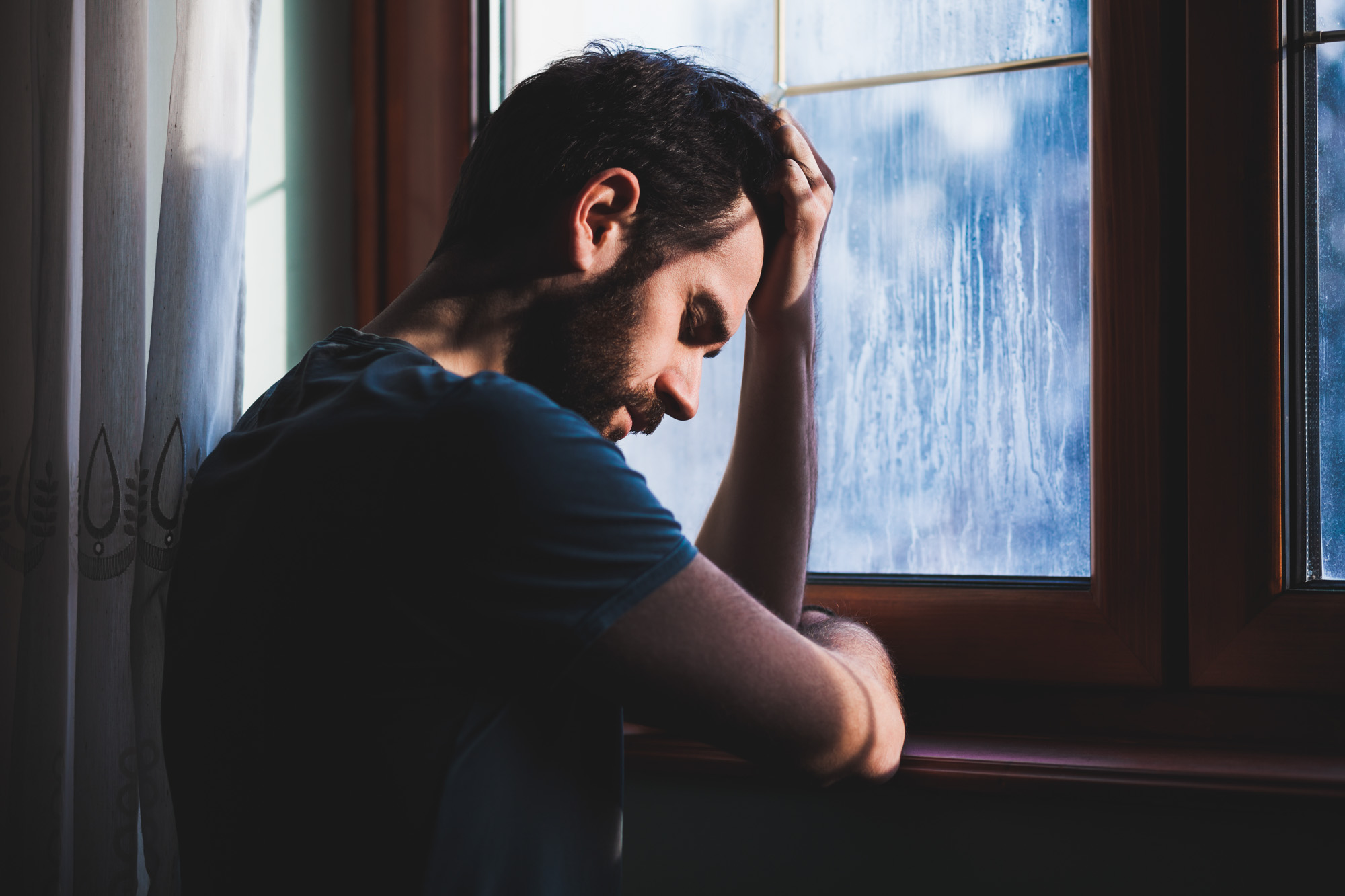
Five Ways to Stop Financial Problems from Hurting Your Self-esteem

Are you feeling like a failure because you’re in debt or don’t have enough money? Do you feel inferior to people who have more prestigious occupations? Do you feel bad about yourself because you don’t have nice things? Do you feel more confident when you have money? Do you buy expensive things even though you can’t afford them? If you answered “yes” to any of these questions, you may have low self-esteem.

What Is Self-esteem?

Self-esteem or self-worth refers to how we value ourselves. Identity, the feeling of competence, the feeling of security, self-confidence, and a sense of belonging define self-esteem.[1] Healthy self-esteem is the ability to recognise your strengths, acknowledge your weaknesses, and believe you’re a worthy person despite your shortcomings or circumstances.[2] Low self-esteem is feeling awkward, incompetent, less than, or unlovable. People with low self-esteem are typically hypersensitive as well as hyper-alert to signs of inadequacy, rebuff, and rejection.[3] The devaluing of self can contribute to poor mental health and impact quality of life.


Low Self-esteem and Mental Health

Low self-esteem isn’t classified as a mental health condition, but the two are closely connected. If many things chip away at your self-esteem for a long time, then you could develop mental health problems including anxiety or depression. On the other hand, aspects of low self-esteem such as anxiety about an inability to do certain things, blaming yourself unfairly, feeling hopeless, self-hatred, or a sense of worthlessness could be signs of a mental health condition.[4] It’s hard to know which issue comes first, but low self-esteem and mental health problems generally go hand in hand.[5]


The Impact of Low Self-esteem on Quality of Life

In addition to contributing to mental health issues, low self-esteem causes other problems that reduce quality of life including the following:[6]

  • Relentless self-criticism that can lead to anger, anxiety, depression, guilt, and shame
  • Relationship problems such as tolerating mistreatment or abusing others, which can create health or legal issues
  • Avoiding interacting with others or participating in activities for fear of being judged, which could lead to social isolation
  • Fear of trying because of doubting one’s abilities or devaluing self, which can lead to underachieving (e.g., not going to university or lack of career advancement)
  • Over-achievement or perfectionism in an attempt to compensate for a sense of inferiority, which could cause relationship and health problems
  • Lack of self-care including abusing or neglecting oneself (e.g., drinking too much, overeating, self-harm, and substance abuse), which jeopardises well-being

How Money Affects Self-esteem

Social conditioning causes people to equate money and material things with self-worth. A lack of wealth, possessions, and privileges and working in what are considered menial jobs cause people to believe they’re worthless, unimportant, and even unlovable.[7] Poor treatment from others because of low socioeconomic status reinforces this negative view of self.


Dangers of Tying Self-esteem to Money

Self-worth based on external things like money is shallow and fragile. When people allow money and all its trappings to define who they are and determine their value as human beings, their self-esteem rises and falls based on how much money they have. A job loss, having to use savings, accumulating debt, or bankruptcy could cause their self-esteem to suffer.[8] Plus, working too much to make huge amounts of money can hurt their relationships, cause them to miss important life events, and harm their physical and mental health.[9] Even if people with low self-esteem make a lot of money, they may never have enough to feel good about themselves deep down because healthy self-esteem isn’t based on one thing like money.[10] It consists of our views about the things that define us including our accomplishments, activities, backgrounds, capabilities, experiences, gifts, personalities, physical bodies, and relationships as well as our perceptions about how other people see us.[11]


Ways to Improve Your Self-esteem

Improving your self-esteem will help you feel stronger, more stable, and better capable of dealing with your problems. Viewing money as a tool, taking care of yourself, focusing on the good things, doing something challenging, and being kind to yourself are five things you can do to strengthen your self-esteem.

  1. View Money as a Tool
    Money is a tool for creating and maintaining a good quality of life. We buy products and services with it, save it for a rainy day, donate it to help others, and use it to achieve our goals. Defining your self-esteem by who you are (e.g., your behaviour, beliefs, character, interests, talents, and values) will increase and safeguard it against changes in your finances.[12]
  2. Take Care of Yourself
    Taking care of yourself is a large part of valuing yourself. Eating a healthy diet, getting enough sleep, exercising regularly, connecting with family and friends, and engaging in relaxing activities will improve both your self-esteem and overall health.
  3. Focus on the Good Things
    People can have such high standards or feel bad about themselves for so long that they don’t notice the good things in their lives. Completing tasks, having a good meal, getting out into nature, engaging in hobbies, and taking care of yourself are just some of the good things in life. Noticing the good things in your life, no matter how small, can help you feel better about yourself despite your money problems.
  4. Do Something Challenging
    Challenging yourself can help you strengthen your self-confidence and increase your knowledge and skills. Pursuing interests, helping others, taking a class, trying a new recipe, learning a new language, or doing something that you’ve always wanted to do are just some of the ways you can challenge yourself.
  5. Be Kind to Yourself
    Treating yourself with kindness and respect will help you view yourself as worthwhile.[13] If you have been down on yourself for a long time, it may be hard to be kind to yourself. Try to be patient with yourself when you’re having a hard time being nice to yourself. In time, you’ll begin to see the results of self-kindness: decreases in anger, guilt, and shame and increases in joy, inner peace, and self-worth. These tips can help you treat yourself with kindness:

a. Learn more about yourself.
Getting to know yourself will help you define yourself, understand your emotions, make sound decisions, and better empathise with others.[14]

b. Allow yourself to have feelings.
Acknowledging and accepting your feelings even if they’re uncomfortable will help you better understand your needs, make more rational choices, ease anxiety, and improve functioning.[15]

c. Minimise the unkind thoughts you have about yourself.
Thinking negatively about yourself fuels pessimism and self-doubt and contributes to anxiety, chronic worry, depression, and obsessive-compulsive disorder.[16] Ways to decrease negative self-talk include engaging in positive distractions, keeping a journal, practising mindfulness, preventing rumination, repeating positive affirmations, and showing yourself compassion.[17]

d. Avoid comparing yourself to other people.
Comparing ourselves to others is normal and sometimes beneficial such as when it inspires us to achieve our goals.[18] But it can also cause us to feel bad about ourselves and devalue our lives. These tips can help you stop comparing yourself to others:[19]

  • Avoid situations that cause you to make comparisons (when possible).
  • Try to remember that other people have problems and shortcomings no matter how good things might be for them.[20]
  • Appreciate the good things in your life.

When to Seek Help

Having problems in your relationships, at school and/or work, interacting with others, or with daily functioning are signs that you may need to seek help from a therapist or counsellor.[21]

Your Relationships

  • You don’t feel like you’re worthy of being loved and respected.
  • You feel angry, ignored, overwhelmed, or taken advantage of in your relationships.
  • You blame yourself when someone mistreats you.

School and/or Work

  • You assume that you will fail in school, at work, or both.
  • You sabotage yourself to ensure that you will fail.

Interacting with Others

  • The thought of connecting with others causes you severe social anxiety because you believe you don’t measure up.
  • You believe your needs are unimportant so you allow others to cross your boundaries and take advantage of you.

Daily Functioning

  • You have trouble with starting, completing, and/or finishing tasks.
  • You feel alone and don’t know how to help yourself.
  • You have mood swings.
  • You try to say or do the right thing in hopes that people will agree with you or like you.

How Therapy Can Help

Therapy or counselling can help you improve your self-esteem in the following ways:

  • Determine and understand the sources of your low self-esteem such as an abusive childhood, traumatic events, and unhealthy relationships
  • Explore and make sense of negative and traumatising experiences in a safe and supportive place
  • Recognise the critical voices of parents, partners, peers, and others that cause you to feel bad about yourself and contribute to negative self-talk and replace them with your self-compassionate voice
  • Notice when you’re experiencing catastrophic thinking and learn how to stop it from disrupting your daily functioning and hindering your ability to achieve goals

You Can Strengthen Your Self-esteem and Improve Your Life

If you’re feeling bad about yourself, it may be hard to imagine becoming a confident person who feels worthy, lovable, and entitled to a good life. But, no matter your net worth, background, and circumstances and the messages you receive from society, you are a valuable person. Working with a therapist or counsellor can help you strengthen your self-esteem and find positive ways of managing the issues and situations that diminish it.[22] At Life Counsel, we provide a safe and welcoming place for you to talk about what you’re going through and find solutions to your problems.


Building Strong Family Relationships By Tackling Family Dysfunction

Every family has problems, experiences interpersonal conflict, and goes through rough patches. But, for some families, these issues are so overwhelming that they have difficulty meeting their basic needs and live with turmoil and dysfunction.

Signs of Family Dysfunction

Family dysfunction stems from relational issues including parent-child issues, sibling rivalries, and marital problems; mental health problems such as anxiety, depression, or substance abuse; and external problems like unemployment, poverty, and lack of community resources. [1] [2] Five telltale signs of family dysfunction are marital strife, parenting issues, poor communication, role confusion, and inability to solve problems.

  1. Marital Strife
    Conflict among couples is normal, but intense and ongoing conflict strains and damages the entire family. Parental conflict is expressed in many ways including the following:[3]
  • Aggression
  • Disrespect
  • Domestic abuse
  • Emotional control
  • Lack of resolution
  • Silence
  1. Parenting Issues
    Many problems contribute to parenting issues including chronic stress, financial pressures, lack of time, marital issues, physical and mental health problems, inadequate parenting abilities, and work-related problems. Parents who’re overwhelmed or lack good parenting skills harm their children in many ways including failing to give them emotional support, exerting too much control over them, and abusing them.

Failing to Provide Emotional Support

Emotionally neglectful parents fail to notice, accurately interpret, and respond appropriately to their children’s feelings.[4] This lack of emotional support impedes their children development, causes them to withdraw, and diminishes their self-esteem.

Exerting too Much Control

Parents must exert a certain amount of control over their children to protect them, help them mature, and teach them important skills. Some parents, however, use the authoritarian style of parenting. These parents are cold, distant, condescending, mean, mistrustful, and vindictive.[5] They expect their children to abide by numerous rules—some of which are unspoken. They have extremely high expectations for their children but provide little nurturing and feedback. They severely punish their children for making mistakes, don’t give them options, and rarely let them make their own choices. Authoritarian parents are also impatient with their children and extremely critical of them, and they use shame to get them to follow their rules and orders.[6]

Abusing and Enacting Violence

Parents in dysfunctional families abuse their children emotionally, physically, sexually and/or mentally to maintain control over them, demoralize them, and get their inappropriate needs met.[7] Abuse and violence are the quickest ways for these parents to discipline their children or stop their children from doing or saying things that irritate them.

  1. Poor Communication
    Effective communication involves assertiveness, active listening, openness, respect, and understanding. But communication in dysfunctional families consists of poor listening, verbal abuse, yelling, blaming, shaming, and discouraging self-expression.[8] [9] Children learn to squelch their thoughts and feelings out of fear of being ignored; dismissed; or accused of being bad, dumb, lazy, selfish, or weak.[10] Poor communication can cause family members to make false assumptions, jump to conclusions, or feel they can read each others’ minds; actions that worsen family dysfunction.[11]
  2. Role Confusion
    Role confusion/parentification occurs when a parent is irresponsible or physically or emotionally absent, so one of their children undertakes their duties or becomes the other parent’s confidante. This can happen after a divorce or in intact families when parents lack intimacy in their relationships. Role confusion psychologically damages children because it (a) forces them to behave like adults, (b) may cause them to feel like they’re betraying the other parent, or (c) causes them to repress their feelings and needs.[12]
  3. Inability to Solve Problems
    Dysfunction makes it hard, if not impossible, for families to solve their problems. Repeatedly blaming members for the same thing, lack of empathy, constant arguing, mistrust, and resentment make it hard for families to identify problems, figure out solutions, and implement those solutions. Instead, problems go unresolved, things get worse, and resentment grows, which makes it even harder to solve problems.[13]

How Well Is Your Family Functioning?

The following questions can help you evaluate how well your family functions, determine its strengths, and identify areas in need of improvement.[14] [15]

  1. Does your family have clearly stated rules that are evenly applied?
  2. Are family rules adjusted in response to changes and new situations?
  3. Are expectations for each family member reasonable, mutually agreed upon, and usually met?
  4. Does your family have established routines?
  5. Are family members’ needs successfully addressed?
  6. Do family members achieve their individual goals?
  7. Is self-expression among family members encouraged and respected?
  8. Do family members listen to each other and communicate in an assertive, open, and understanding manner?
  9. Does your family work together to solve problems?
  10. Is there fun and humour in your family, despite the demands of daily living?
  11. Is your family able to grow and change without members getting upset?
  12. Are mistakes allowed, understood, and forgiven?
  13. Do you treat each child like he/she is an individual?
  14. Do you attend to your children’s feelings, concerns, and needs?
  15. Do you allow your children to make age-appropriate decisions?
  16. Do you correct your children’s behaviour and discipline them in healthy ways?
  17. Are your children allowed to be kids and not made to behave like “little adults”?
  18. Do you and your children genuinely respect each other and express love, compassion, and trust even during disagreements?
  19. Are you taking care of yourself?
  20. Do you take social and moral responsibility for your life?
  21. Do you acknowledge your shortcomings? Do you and your spouse/partner agree on how to raise your children?
  22. Do you and your spouse/partner have a loving, collaborative, mutually respectful relationship?

Building Stronger Family Relationships

A family whose relationships harm the physical and psychological well-being of its members is experiencing serious dysfunction.[16] But there are many ways to build stronger relationships including learning to communicate in positive ways, spending time together, working as a team, admitting that problems exist, and seeking help from a family therapist or counsellor.

  1. Learning to Communicate in Positive Ways
    Positive communication involves listening without judging and expressing your feelings and thoughts respectfully. This helps everyone feel respected, understood, and valued, which can strengthen your relationships. Taking the following actions will help your family communicate more effectively.
    · When your children or spouse/partner need to talk, stop what you’re doing and listen intently to them. Also, give them the necessary time to express their thoughts and feelings.
    · Remain open to discussing difficult topics (such as mistakes) and a variety of emotions including anger, anxiety, fear, frustration, joy, and sadness. Before talking, wait until you’ve settled down from intense emotions (like anger) to create a calm atmosphere in which to talk.
    · Prepare for difficult discussions—such as academic issues, alcohol, drugs, money, and sex—to increase your comfort level. Thinking about your feelings and values before these topics are discussed will help you approach the conversation with more clarity, confidence, and openness.
    · Let everyone know how much you love and appreciate them to strengthen your bond.[17]
  2. Spending Time Together
    Spending quality time together can help family members connect, build trust, reduce stress, and have fun. The following tips can help your family get the most out of its time together.
    · Talk when going about your daily routine such as at mealtime or during car travel.
    · Turn off electronic devices and put them away during family interactions to help everyone stay focused on what you’re doing or talking about.
    · Have one-on-one conversations with family members so you can learn about each other and strengthen your connections.
    · Find time to spend with your spouse/partner to nurture your relationship, stay connected, and create wonderful memories.
    · Do fun things as a family regularly such as going to the park, playing board games, riding bikes, or taking a road trip.[18]
  3. Working as a Team
    Working as a team helps family members feel supported, promotes togetherness, and gives everyone a chance to contribute to the family’s success. These ideas can help your family work as a team:
    · Work together to create rules that clearly state how your family wants to support and treat each other.
    · Share household chores to create a sense of belonging, teach children important life skills, and create a home everyone can feel good about.
    · Allow your children to make some decisions for themselves—according to their maturity levels and abilities.
    · Include every member of the family—even young children—in decision-making about holidays and family activities.
    · Work as a family to solve problems. This entails listening to each other, thinking rationally, considering the options, respecting everyone’s opinions, working on compromising, choosing an option and implementing it, and revisiting the problem if the solution doesn’t work.[19]
  4. Admitting that Problems Exist
    Families in distress may deny or ignore their problems as a way of coping with them. But this could make things worse; lead to negative situations; and fuel harmful behaviour such as aggressive arguing, rage, substance abuse, and violence. Acknowledging problems is the first step to solving them or developing effective coping strategies.[20]
  5. Seeking Help from a Therapist or Counsellor
    Despite your family’s best efforts, you may be unable to improve your relationships and reduce dysfunction. Deeply entrenched problems, ineffective communication, lack of trust, mental health problems, and other issues might be too insurmountable for your family to tackle alone. Seeing a family therapist or counsellor can help your family improve its relationships, make sense of the dysfunction, and move forward. Family therapists and counsellors provide warm, nonjudgmental settings for family members to share their feelings, understand their experiences, better understand each other, and change harmful behaviours.[21] They help families determine the circumstances that led to their problems such as life events, mental health issues, repeating patterns, social problems, and transitions.[22] They also encourage family members to discuss their differences and frustrations, help them improve how they communicate with each other, and support them as they work to solve problems and explore/resolve conflicts.[23]

Your Family Can Build Stronger Relationships

The relationship problems and difficulties your family is experiencing may seem impossible to get under control, but this isn’t so because every family has strengths. With the help of a therapist or counsellor, your family can build upon its strengths to create healthier and more loving relationships and improve how it functions. At Life Counsel, we provide a safe and welcoming place for you to talk about what you’re going through and find solutions to your problems.

[1] “Dysfunctional Family,” The Free Dictionary, accessed June 20, 2021, https://medical-dictionary.thefreedictionary.com/dysfunctional+family.

[2] “Dysfunctional Family,” Encyclopedia.com, accessed June 20, 2021, https://www.encyclopedia.com/medicine/encyclopedias-almanacs-transcripts-and-maps/dysfunctional-family.

[3] Department for Work and Pensions, “Reducing Parental Conflict: What Is Parental Conflict?” GOV.UK, accessed June 18, 2021, https://www.gov.uk/guidance/reducing-parental-conflict-what-is-parental-conflict.

[4] “Emotional Neglect,” All Relationships Matter, accessed June 18, 2021, https://www.allrelationshipmatters.com.au/insights-healthy-relationships/emotional-neglect.

[5] Mahak Arora, “Dysfunctional Family – Characteristics and Effects,” First Cry Parenting, accessed June 18, 2021, https://parenting.firstcry.com/articles/dysfunctional-family-characteristics-and-tips-to-overcome-its-effects/.

[6] Kendra Cherry, “8 Characteristics of Authoritarian Parenting,” Very Well Mind, accessed June 18, 2021, https://www.verywellmind.com/what-is-authoritarian-parenting-2794955. 

[7] Kalpana Nadimpalli, “Dysfunctional Family: What Are Its Signs and How to Overcome Its Effects,” Mom Junction, accessed June 18, 2021, https://www.momjunction.com/articles/harsh-reasons-of-dysfunctional-family-relationships_00407860/.

[8] Darlene Lancer, “9 Clinical Signs Your Family Is Dysfunctional,” Thought Catalog, accessed June 18, 2021, https://thoughtcatalog.com/darlene-lancer/2019/01/9-clinical-signs-your-family-is-dysfunctional/.

[9] “The Effects of Poor Family Communication,” The Springboard Center, accessed June 18, 2021, https://www.springboardcenter.org/the-effects-of-poor-family-communication/.

[10] Lancer, “9 Clinical Signs Your Family.”

[11] “The Effects of Poor Family Communication.”

[12] Lancer, “9 Clinical Signs Your Family.”

[13] Lancer, “9 Clinical Signs Your Family.”

[14] “Normal Functioning Family: Is There Any Way to Tell if My Family is Functioning Normally?” American Academy of Pediatrics, accessed June 18, 2021, https://www.healthychildren.org/English/family-life/family-dynamics/pages/Normal-Family-Functioning.aspx.

[15] Lancer, “9 Clinical Signs Your Family.”

[16] “Dysfunctional Family,” Encyclopedia.com.

[17] “Positive Relationships for Families: How to Build Them,” Raisingchildren.net.au, accessed June 29, 2021, https://raisingchildren.net.au/grown-ups/family-life/routines-rituals-relationships/good-family-relationships#positive-communication-and-family-relationships-nav-title.

[18] “Positive Relationships for Families.”

[19] “Positive Relationships for Families.”

[20] Bryan Zitzman, “Family Problems | How To Solve Family Issues and Improve Relations,” FamilyToday.com, accessed June 20, 2021, https://www.familytoday.com/relationships/how-to-solve-family-problems/.

[21] “Family Therapy,” Counselling Directory, accessed June 20, 2021, https://www.counselling-directory.org.uk/family-therapy.html#whatisfamilytherapy.

[22] “Family Issues,” Counselling Directory, accessed June 20, 2021, https://www.counselling-directory.org.uk/family-issues.html#whatisfamilycounselling.

[23] “Family Therapy.”

How Grief Impacts the Body

Grief can take just as tremendous a toll on our bodies as it does on our minds. The severity of its physical impact depends on the intensity of the grief, type of grief, our physical and mental health, and the amount of support we receive during bereavement.


Types of Grief

We feel and deal with grief in different ways based on factors such as age, background, beliefs, culture, and personality. [1] Below are some common types of grief:

Normal Grief

This occurs when we continue with our regular routines despite painful emotions and physical symptoms. Over time, grief diminishes, and we regain stability. [2]

Complicated Grief

Complicated grief persists and disrupts daily life. Its symptoms include: [3]

  • Constant focus on the loved one’s death
  • Difficulty accepting the death
  • Episodes of rage
  • Persistent feelings of emptiness or hopelessness
  • Obsessive focus on reminders of the deceased
  • Profound longing to see the person who passed
  • Self-destructive behaviour or suicidal thoughts

Anticipatory Grief

This occurs when we expect a loss, such as when a loved one is diagnosed with a terminal illness.

Archaic Grief

This arises when a current loss triggers unresolved grief from a past loss.

Inhibited Grief

Inhibited grief occurs when we avoid facing a loss and repress our emotions, leading to physical stress responses.

Collective Grief

Collective grief happens when a community experiences loss due to catastrophic events like natural disasters or the death of a public figure. [4]

Cumulative Grief

This type of grief results from experiencing multiple losses in a short period. [5]

Disenfranchised Grief

Disenfranchised grief is when others do not acknowledge or minimise your loss, such as the death of a co-worker or pet. [6]


Impact of Grief on the Body

Grief can affect every bodily system, including the nervous, cardiovascular, immune, digestive, muscular, and skeletal systems. [8]

Nervous System

Grief disrupts brain activity, causing hormone imbalances that can lead to insomnia, anxiety, and emotional instability. [9]

Cardiovascular System

Grief raises stress hormone levels, which may increase the risk of heart disease, tachycardia, or takotsubo cardiomyopathy (broken heart syndrome). [10][11]

Immune System

Grief can weaken the immune system, making us more prone to infections and inflammation-related illnesses. [14][15]

Digestive System

Grief can cause appetite changes and digestive problems like nausea, stomach cramps, and irritable bowel syndrome. [16]

Muscular and Skeletal Systems

The stress of grief can lead to back pain, joint pain, headaches, and muscle stiffness. [17]


Nurturing the Body During Grief

Eating Healthy Foods

A balanced diet promotes well-being and reduces stress. Consider these tips: [18]

  • Eat fruits, vegetables, whole grains, and lean proteins regularly.
  • Limit processed foods and sugary snacks.
  • Stay hydrated by drinking plenty of water.

Staying Active

Exercise helps reduce stress and improve mood. Aim for at least 150 minutes of moderate activity per week, such as walking or yoga. [19][20]

Getting Adequate Sleep

Improving sleep can alleviate physical symptoms of grief. Here are some tips:

  • Go to bed and wake up at consistent times.
  • Engage in relaxing activities before bed, like reading or taking a bath.
  • Practice muscle relaxation techniques or mindfulness exercises. [22]

Seeking Help with Managing Grief

Support from others can help alleviate grief-related symptoms. Seek help if you experience persistent physical symptoms or difficulties such as:

  • Intrusive memories or flashbacks related to the death
  • Excessive self-blame
  • Reliance on drugs or alcohol [23]

Sources of Support

Trusted Others

Talking with trusted friends or family can reduce feelings of isolation. [24]

Support Groups

Grief support groups provide spaces to share feelings and coping strategies. [25]

Support Organisations

These offer counselling and resources for specific types of grief. [26]

Therapists and Counsellors

Therapists help address emotional and mental health issues like depression, anxiety, and trauma. [27]

General Practitioners

GPs can evaluate physical symptoms and guide treatment options. [29]


Managing Grief

Grief can severely impact the body. If you’re struggling with physical symptoms or persistent emotional distress, consult a GP or mental health professional. Life Counsel provides a supportive space for navigating grief and finding solutions tailored to your needs.

[1] Dee Marques, “The Eight Types of Grief Explained,” Happiness.com, accessed May 23, 2021, https://www.happiness.com/magazine/health-body/eight-types-of-grief-explained/.

[2] Marques, “The Eight Types.”

[3] Angela Morrow, “Differences Between Normal and Complicated Grief,” Very Well Health, accessed May 23, 2021, https://www.verywellhealth.com/grief-and-mourning-process-1132545.

[4] “Grief & Loss Handout,” Foundation for Change, accessed May 23, 2021, https://www.foundationforchange.org.uk/grief-loss-handout.

[5] Elizz Authors, “Types of Grief and Loss,” Elizz, accessed May 23, 2021, https://elizz.com/caregiver-resources/types-of-grief-and-loss/.

[6] Elizz Authors, “Types of Grief.”

[7] “Grief & Loss Handout.”

[8] Marilyn A. Mendoza, “When Grief Gets Physical: Our Bodies and Mourning,” Psychology Today, accessed May 27, 2021.

[9] Brittany Anas, “Grief Affects Your Mind and Body — Here’s How,” Simplemost, accessed May 23, 2021, https://www.simplemost.com/how-grief-affects-both-our-minds-and-bodies/. 

[10] “How Grief Can Affect Your Health,” WebMD, accessed May 25, 2021, https://www.webmd.com/mental-health/ss/slideshow-grief-health-effects.[

11] “Takotsubo Cardiomyopathy,” British Heart Foundation, accessed May 25, 2021, https://www.bhf.org.uk/what-we-do/who-we-are.

[12] “How Grief Can Affect.”

[13] Michelle Roberts, “Bereavement Raises Heart Attack Risk, Says Study,” BBC News, accessed May 25, 2021, https://www.bbc.com/news/health-16467182.

[14] “Six Physical Symptoms of Grief,” Forever Missed, accessed May 25, 2021, https://www.forevermissed.com/blog/six-physical-symptoms-of-grief/.

[15] “How Grief Can Affect.”

[16] “How Grief Can Affect.”

[17] “Six Physical Symptoms.”

[18] “What is a healthy diet?” Cancer Research UK, accessed May 26, 2021, https://www.cancerresearchuk.org/about-cancer/causes-of-cancer/diet-and-cancer/what-is-a-healthy-diet.

[19] “Exercise,” NHS, accessed May 26, 2021, https://www.nhs.uk/live-well/exercise/#guidelines-for-adults-aged-19-to-64.

[20] “Physical Activity Guidelines for Older Adults,” NHS, accessed May 26, 2021, https://www.nhs.uk/live-well/exercise/physical-activity-guidelines-older-adults/.

[21] “Exercise.”

[22] “How to Cope with Sleep Problems,” Mind, accessed May 26, 2021, https://www.mind.org.uk/information-support/types-of-mental-health-problems/sleep-problems/tips-to-improve-your-sleep/.

[23] “Dealing with Grief,” British Heart Foundation, accessed May 26, 2021, https://www.bhf.org.uk/informationsupport/heart-matters-magazine/wellbeing/dealing-with-grief.

[24] “Bereavement,” North West Boroughs Healthcare NHS Foundation Trust, accessed May 26, 2021, https://www.nwbh.nhs.uk/bereavement.

[25] “Support Groups,” The Loss Foundation, accessed May 27, 2021, https://thelossfoundation.org/support-groups/.

[26] “Support and Self Care,” Mind, accessed May 26, 2021, https://www.mind.org.uk/information-support/guides-to-support-and-services/bereavement/support-and-self-care/.

[27] “Talking Therapy and Counselling,” Mind, accessed May 27, 2021, https://www.mind.org.uk/information-support/drugs-and-treatments/talking-therapy-and-counselling/about-talking-therapies/#WhatCanTherapyHelpWith.

[28] “Support and Self Care.”

[29] “General Practice (GP),” NHS, accessed May 27, 2021, https://www.healthcareers.nhs.uk/explore-roles/doctors/roles-doctors/general-practice-gp.

Calming the Storm Within

Anxiety and panic are normal responses to dangerous and overwhelming situations, but recurring bouts of panic can be a sign of panic disorder. This frightening condition incapacitates sufferers, but with effective treatment, they can overcome the panic and lead fulfilling lives.


An Overview of Panic Disorder

Panic disorder involves unexpected and frequent panic attacks for no obvious reason and intense worry about having future attacks. [1] This constant fear can trigger more attacks. [2]


Causes of Panic Disorder

Catastrophic Thinking

People who have panic attacks may fixate on minor physical symptoms and regard them as severe and dangerous. This distress induces a nervous system response that can bring on a panic attack. [3]

Genetics

Research suggests that panic disorder is hereditary, so close family members of someone with the condition could be more susceptible to it. [4]

Imbalance of Neurotransmitters

An imbalance in dopamine, GABA, norepinephrine, and serotonin may increase the risk of developing panic disorder. [5]

Sensitivity to Carbon Dioxide

People with a heightened sensitivity to carbon dioxide or who inhale high levels of the gas may have panic attacks or develop panic disorder. [6]

Trauma

Traumatic experiences can cause panic attacks either soon after the trauma occurs or years later.


Symptoms of Panic Disorder

Anxiety

Anxiety is a feeling of agitation, fear, and frustration. Constant anxiety that impacts daily living can be a sign of an anxiety disorder. [7]

Panic Attacks

Types of Panic Attacks

  • Expected: Occur when facing feared situations (e.g., a person afraid of heights may have an attack on a bridge).
  • Unexpected: Develop rapidly without an apparent cause. [8]

Physical Symptoms of Panic Attacks

  • Chest pain, chills, choking sensation
  • Nausea, racing heartbeat, shortness of breath
  • Tingling in fingers, sweating, trembling [9]

Psychological Symptoms of Panic Attacks

  • Feeling dread, detachment from the body
  • Fear of dying, feeling out of control [10]

Duration and Frequency

Panic attacks generally last 5 to 20 minutes but may last up to an hour. [11]


Secondary Effects of Panic Disorder

Phobias

Panic disorder may cause people to avoid situations associated with previous attacks, potentially leading to agoraphobia. [12]

Substance Abuse

Panic sufferers may misuse alcohol, stimulants, or cannabis to ease symptoms, which can worsen the condition. [13]

Employment Issues

The condition may result in job loss or taking lower-paying roles to reduce exposure to triggers.

Additional Quality-of-Life Impacts

  • Increased A&E visits
  • Reduced emotional and physical health
  • Financial dependence [14]

Treatments for Panic Disorder

Therapy

Several types of psychotherapy are available for panic disorder.

Cognitive-Behavioural Therapy (CBT)

CBT helps people change negative patterns of thought, break problems into manageable parts, and improve mood. [15]

Behavioural Therapy

Focuses on identifying and changing problematic behaviours. [16]

Humanistic Therapy

Examines the whole person and emphasizes clients’ ability to heal and grow. [17]

Psychoanalytic Therapy

Explores unconscious thoughts and memories to bring about deep emotional change. [18]

Medication

Selective serotonin reuptake inhibitors (SSRIs), anti-anxiety medications, and anticonvulsants may relieve symptoms. [19]

Self-Care Strategies

Managing Panic Attacks

  • Stay where you are: Helps regain composure during disorienting moments.
  • Challenge your fear: Remind yourself the fear isn’t real.
  • Breathe deeply: Normalize breathing to reduce anxiety.

Healthy Eating

Maintaining stable blood sugar levels and avoiding stimulants can reduce anxiety. [20]

Exercise

Physical activity decreases stress, improves mood, and relieves tension.

Relaxation Techniques

Aromatherapy, yoga, and massage therapy can alleviate persistent stress.


When to Seek Help

If you’re experiencing extreme anxiety, recurrent panic attacks, or suicidal thoughts, consult a licensed therapist or counselor. At Life Counsel, we provide a safe and welcoming place to help you find solutions to your problems.Anxiety and panic are normal responses to dangerous and overwhelming situations, but recurring bouts of panic can be a sign of panic disorder. This frightening condition incapacitates sufferers, but with effective treatment, they can overcome the panic and lead fulfilling lives.


An Overview of Panic Disorder

Panic disorder involves unexpected and frequent panic attacks for no obvious reason and intense worry about having future attacks. [1] This constant fear can trigger more attacks. [2]


Causes of Panic Disorder

Catastrophic Thinking

People who have panic attacks may fixate on minor physical symptoms and regard them as severe and dangerous. This distress induces a nervous system response that can bring on a panic attack. [3]

Genetics

Research suggests that panic disorder is hereditary, so close family members of someone with the condition could be more susceptible to it. [4]

Imbalance of Neurotransmitters

An imbalance in dopamine, GABA, norepinephrine, and serotonin may increase the risk of developing panic disorder. [5]

Sensitivity to Carbon Dioxide

People with a heightened sensitivity to carbon dioxide or who inhale high levels of the gas may have panic attacks or develop panic disorder. [6]

Trauma

Traumatic experiences can cause panic attacks either soon after the trauma occurs or years later.


Symptoms of Panic Disorder

Anxiety

Anxiety is a feeling of agitation, fear, and frustration. Constant anxiety that impacts daily living can be a sign of an anxiety disorder. [7]

Panic Attacks

Types of Panic Attacks

  • Expected: Occur when facing feared situations (e.g., a person afraid of heights may have an attack on a bridge).
  • Unexpected: Develop rapidly without an apparent cause. [8]

Physical Symptoms of Panic Attacks

  • Chest pain, chills, choking sensation
  • Nausea, racing heartbeat, shortness of breath
  • Tingling in fingers, sweating, trembling [9]

Psychological Symptoms of Panic Attacks

  • Feeling dread, detachment from the body
  • Fear of dying, feeling out of control [10]

Duration and Frequency

Panic attacks generally last 5 to 20 minutes but may last up to an hour. [11]


Secondary Effects of Panic Disorder

Phobias

Panic disorder may cause people to avoid situations associated with previous attacks, potentially leading to agoraphobia. [12]

Substance Abuse

Panic sufferers may misuse alcohol, stimulants, or cannabis to ease symptoms, which can worsen the condition. [13]

Employment Issues

The condition may result in job loss or taking lower-paying roles to reduce exposure to triggers.

Additional Quality-of-Life Impacts

  • Increased A&E visits
  • Reduced emotional and physical health
  • Financial dependence [14]

Treatments for Panic Disorder

Therapy

Several types of psychotherapy are available for panic disorder.

Cognitive-Behavioural Therapy (CBT)

CBT helps people change negative patterns of thought, break problems into manageable parts, and improve mood. [15]

Behavioural Therapy

Focuses on identifying and changing problematic behaviours. [16]

Humanistic Therapy

Examines the whole person and emphasizes clients’ ability to heal and grow. [17]

Psychoanalytic Therapy

Explores unconscious thoughts and memories to bring about deep emotional change. [18]

Medication

Selective serotonin reuptake inhibitors (SSRIs), anti-anxiety medications, and anticonvulsants may relieve symptoms. [19]

Self-Care Strategies

Managing Panic Attacks

  • Stay where you are: Helps regain composure during disorienting moments.
  • Challenge your fear: Remind yourself the fear isn’t real.
  • Breathe deeply: Normalize breathing to reduce anxiety.

Healthy Eating

Maintaining stable blood sugar levels and avoiding stimulants can reduce anxiety. [20]

Exercise

Physical activity decreases stress, improves mood, and relieves tension.

Relaxation Techniques

Aromatherapy, yoga, and massage therapy can alleviate persistent stress.


When to Seek Help

If you’re experiencing extreme anxiety, recurrent panic attacks, or suicidal thoughts, consult a licensed therapist or counselor. At Life Counsel, we provide a safe and welcoming place to help you find solutions to your problems.

[1] “Panic Disorder,” NHS, accessed May 8, 2021, https://www.nhs.uk/mental-health/conditions/panic-disorder/.

[2] “Anxiety and Panic Attacks,” Mind, accessed May 9, 2021, https://www.mind.org.uk/information-support/types-of-mental-health-problems/anxiety-and-panic-attacks/anxiety-disorders/.

[3] “Panic Disorder: Causes,” NHS Inform, accessed May 8, 2021,https://www.nhsinform.scot/illnesses-and-conditions/mental-health/panic-disorder#causes.

[4] Eun Jeong Kim and Yong-Ku Kim, “Panic Disorders: The Role of Genetics and Epigenetics,” AIMS Genetics 5, no. 3 (July 2018): 177-190, doi:10.3934/genet.2018.3.177.

[5] Katharina Star, “Is Panic Disorder Caused by a Chemical Imbalance?” Very Well Mind, accessed May 11, 2021, https://www.verywellmind.com/is-panic-disorder-caused-by-a-chemical-imbalance-2583984.

[6] Richard Maddock, “Panic Attacks as a Problem of pH,” Scientific American, accessed May 8, 2021, https://www.scientificamerican.com/article/panic-attacks-as-ph-problem/.

[7] “Panic Disorder.”

[8] “Anxiety,” Mental Health Foundation, accessed May 8, 2021, https://www.mentalhealth.org.uk/a-to-z/a/anxiety.

[9] “Panic Disorder.”

[10] Sheryl Ankrom, “Symptoms of Panic Disorder and Attacks,” Very Well Mind, accessed May 8, 2021, https://www.verywellmind.com/symptoms-of-panic-disorder-and-attacks-2584246.

[11] “Panic Disorder.”

[12] “Panic Disorder.”

[13] “Answers to Your Questions About Panic Disorder,” American Psychological Association, accessed May 8, 2021,https://www.apa.org/topics/anxiety/panic-disorder.

[14] “Overview – Agoraphobia,” NHS, accessed May 8, 2021, https://www.nhs.uk/mental-health/conditions/agoraphobia/overview/.[15] “Panic Disorder and Substance Abuse,” The Recovery Village, accessed May 8, 2021, https://www.therecoveryvillage.com/mental-health/panic-disorder/substance-abuse/.

[16] Crystal Raypole, “Marijuana and Anxiety: It’s Complicated,” accessed May 12, 2021, https://www.healthline.com/health/marijuana-and-anxiety.

[17] “Answers to Your Questions About Panic.”

[18] “Panic Disorder: Treatment,” NHS Inform, accessed May 9, 2021,https://www.nhsinform.scot/illnesses-and-conditions/mental-health/panic-disorder#treatment.

[19] Katharina Star, “Effective Treatment Options for Panic Disorder,” Very Well Mind, accessed May 9, 2021, https://www.verywellmind.com/treatment-for-panic-disorder-2584322.

[20] Ana Gotter, “Behavioral Therapy,” Heathline, accessed May 9, 2021, https://www.healthline.com/health/behavioral-therapy.

[21] Kendra Cherry, “How Psychotherapy Is Used to Treat Disorders,” accessed May 9, 2021, https://www.verywellmind.com/psychotherapy-4157172. 

[22] “Overview – Cognitive Behavioural Therapy (CBT),” NHS, accessed May 12, 2021, https://www.nhs.uk/mental-health/talking-therapies-medicine-treatments/talking-therapies-and-counselling/cognitive-behavioural-therapy-cbt/overview/.

[23] “Humanistic Therapy,” Psychology Today, accessed May 9, 2021, https://www.psychologytoday.com/us/therapy-types/humanistic-therapy.

[24] Cherry, “How Psychotherapy Is.”

[25] “Psychoanalytic Psychotherapy with Adults,” Northern School of Child and Adolescent Psychotherapy, accessed May 9, 2021, https://www.nscap.org.uk/content/psychoanalytic-psychotherapy-with-adults.

[26] Star, “Effective Treatment Options.”

[27] “Panic Disorder.”

[28] “Pregabalin,” NHS, accessed May 9, 2021, https://www.nhs.uk/medicines/pregabalin/.

[29] “Clonazepam,” NHS, accessed May 9, 2021, https://www.nhs.uk/medicines/clonazepam/.

[30] “Panic Disorder: Things You Can Do to Help Yourself,” NHS Inform, accessed May 9, 2021,https://www.nhsinform.scot/illnesses-and-conditions/mental-health/panic-disorder#things-you-can-do-to-help-yourself. 

Three Actions You Can Take to Overcome Workplace Burnout

Workplace burnout is so prevalent that in 2019 the World Health Organization (WHO) added it to the 11th Revision of the International Classification of Diseases as an “occupational phenomenon.” [1] The pandemic including the need to work from home has worsened burnout for some workers and caused others to develop the problem.  A survey about workplace factors that can lead to burnout demonstrated how the pandemic is negatively impacting workers. It revealed that 51% of respondents were working more than their contracted hours, 32% were closer to burnout because of the lockdown, and 27% were having a more difficult time due to a lack of social interaction.[2] Workplace burnout can be a debilitating and daunting experience, but there are actions we can take to prevent, cope with, and overcome this syndrome.

Workplace Burnout and Its Adverse Effects on Well-being

Burnout occurs when persistent stress causes emotional, mental, and physical exhaustion that makes it hard to meet continuous work demands.[3] According to the WHO, workplace burnout has three primary characteristics:[4] 

  • Energy depletion
  • Decreased productivity
  • Mental distance from the job or negative feelings about it 

Causes of Workplace Burnout

Many occupational, organizational, personal, and social factors can cause employees to burn out.  

Traditional causes of workplace burnout[5]

  • Dealing with overly demanding or unclear expectations
  • Having a lack of control over one’s work
  • Performing unchallenging or monotonous duties
  • Receiving little or no recognition for good work
  • Working in high-pressure or chaotic environments 

Pandemic-related causes of workplace burnout[6] [7]

  • Fear about job security
  • Increased anxiety
  • Isolation and loneliness
  • Lack of control
  • Lockdown fatigue
  • No separation between work and home
  • Unmanageable workloads 

Lifestyle factors that contribute to workplace burnout[8]

  • Working too much and not spending enough time relaxing and socializing
  • Lacking close and supportive relationships
  • Having too many responsibilities
  • Sleeping poorly or not enough 

Personality traits that contribute to workplace burnout[9]

  • Being overly ambitious and competitive
  • Having a pessimistic view of one’s self and the world
  • Needing to be in control
  • Seeking perfection
  • Unwillingness to delegate to others

Signs and Symptoms of Workplace Burnout

The early signs and symptoms of burnout can go unnoticed. This is why it’s important to closely monitor your stress level and identify subtle signs of the condition.[10]

Physical signs and symptoms

  • A change in appetite or sleep habits
  • Feeling depleted most of the time
  • Frequent illnesses due to lowered immunity
  • Headaches or muscle pain

Emotional signs and symptoms

  • Cynicism
  • Decreased sense of accomplishment
  • Dissatisfaction
  • Feeling alone in the world
  • Feeling defeated, helpless, or trapped
  • Loss of motivation
  • Self-doubt
  • Sense of failure

Behavioural signs and symptoms

  • Getting to work late and leaving early
  • Isolating from others
  • Lashing out at others when frustrated
  • Procrastinating
  • Skipping work
  • Using alcohol, drugs, or food to cope
  • Withdrawing from responsibilities

Long-term Consequences of Workplace Burnout

If left untreated, workplace burnout could have long-term physical, psychological, and occupational consequences.[11]

Physical consequences

  • Changes in pain experiences
  • Coronary heart disease
  • Gastrointestinal problems
  • High blood pressure
  • High cholesterol
  • Hospitalization because of cardiovascular disorder
  • Mortality below age 45
  • Musculoskeletal pain
  • Prolonged fatigue
  • Respiratory problems
  • Serious injury
  • Type 2 diabetes

Psychological consequences

  • Depression
  • Hospitalization for mental disorders
  • Persistent insomnia
  • Symptoms of mental distress (e.g., decreased functioning, illogical thinking, increased sensitivity, nervousness, peculiar behaviour, and problems thinking)[12]
  • Use of antidepressants and/or other psychotropic medications

Occupational consequences

  • Long-term sick leave
  • Job loss or permanent exclusion from the labour market
  • Low performance that increases emotional exhaustion
  • Presenteeism

Taking Action to Manage Workplace Burnout

Recovering from workplace burnout can be difficult because it isn’t likely that you can eliminate every work stressor or other stressors that contribute to burnout. However, you can take steps to cope, such as managing stress, creating an efficient work-from-home routine, and seeking help from a therapist or counselor.


Action 1: Manage Stress

Steps to Manage Stress

1. Practice Acceptance

Life is full of events, experiences, and situations we can’t change. For example, some people understandably find it difficult to work from home, but Covid-19 has made limiting contact necessary. Acknowledging what you cannot control and reducing resentment can help you calm down and find constructive solutions.

2. Forgive Yourself

We all make mistakes, have bad days, and fail to achieve goals. Beating yourself up for being imperfect increases stress and lowers self-esteem. Letting go of self-directed anger and showing yourself compassion can help you feel stronger and more at peace.

3. Take Care of Yourself

When you take care of yourself, you’re better equipped to handle life’s challenges.

  • Eat healthily:
    • Consume less artificial foods, carbonated drinks, processed foods, and refined sugars.
    • Eat more fruits, lean proteins, vegetables, and whole grains.
    • Eat foods that increase serotonin levels (e.g., dark chocolate, hearty vegetable salads, or porridge).
    • Stay hydrated and reduce caffeinated beverages.
  • Get proper sleep:
    • Do light yoga or stretching exercises to relax muscles.
    • Listen to soothing music.
    • Create a to-do list for the next day to minimize distractions.
    • Take a warm bath to help your body reach an ideal temperature for sleep.
  • Stay active:
    • Bike riding
    • Cleaning the house
    • Dancing
    • Hiking
    • Jumping rope
    • Swimming
    • Taking brisk walks

[1] “Burn-out an ‘Occupational Phenomenon’: International Classification of Diseases,” World Health Organization, accessed April 1, 2021, https://www.who.int/news/item/28-05-2019-burn-out-an-occupational-phenomenon-international-classification-of-diseases.[2] “UK Survey Explores Worker Burnout During COVID-19 Pandemic,” Safety and Health Magazine, accessed April 4, 2021, https://www.safetyandhealthmagazine.com/articles/20475-uk-survey-explores-worker-burnout-during-covid-19-pandemic.

[3] Liggy Webb, “Burnout: How to Avoid It and Look After Yourself,” NHS, accessed April 1, 2021, https://www.workingwellglos.nhs.uk/wp-content/uploads/2019/01/Burnout-how-to-avoid-it.pdf.

[4] “Burn-out an “Occupational Phenomenon.”

[5] Melinda Smith, Jeanne Segal, and Lawrence Robinson, “Burnout Prevention and Treatment,” Help Guide, accessed April 1, 2021, https://www.helpguide.org/articles/stress/burnout-prevention-and-recovery.htm.

[6] Mark Royal and Val Olson, “COVID-19 Burnout: Four Ways to Deal with It,” Korn Ferry, accessed April 2, 2021, https://www.kornferry.com/insights/articles/coronavirus-burnout-four-ways-to-handle.

[7] Alex Christian, “Companies Are Finally Starting to Take Staff Burnout Seriously,” Wired, accessed April 2, 2021,https://www.wired.co.uk/article/burnout-workplace-coronavirus.

[8] Smith, “Burnout Prevention.”

[9] Smith, “Burnout Prevention.”

[10] Smith, “Burnout Prevention.”

[11] Denise Albieri Jodas Salvagioni, Francine Nesello Melanda, Arthur Eumann Mesas, Alberto Durán González,  Flávia Lopes Gabani, and Selma Maffei de Andrade, “Physical, Psychological and Occupational Consequences of Job Burnout: A Systematic Review of Prospective Studies,” PloS ONE, 12, no. 10 (2017): https://doi.org/10.1371/journal.pone.018578.

[12] “Warning Signs of Mental Illness,” American Psychiatric Association, accessed April 3, 2021, https://www.psychiatry.org/patients-families/warning-signs-of-mental-illness.

[13] “How to Manage Stress,” Mind, accessed April 4, 2021, https://www.mind.org.uk/media-a/4667/how-to-manage-stress_2015.pdf.

[14] Webb, “Burnout: How to Avoid.”

[15] “30 Fun Ways to Get 30 Minutes of Physical Activity Today,” The Queensland Government, accessed April 4, 2021, https://www.health.qld.gov.au/news-events/news/30-ways-to-get-active-exercise-fun.

[16] Royal, “COVID-19 Burnout.”

[17] Sophie Gallagher, “Coronavirus: How to Maintain Productivity After Working from Home for Six Months: Distinguishing Between Work and Home Mode Is Essential,” The Independent, accessed April 4, 2021, https://www.independent.co.uk/life-style/health-and-families/coronavirus-working-from-home-tips-outbreak-how-to-a9374806.html.

[18] Sarah Vohra, “Battling Burnout,” The Office Group, accessed April 4, 2020,https://www.theofficegroup.com/stories/future-of-work/battling-burnout.

[19] Cindy Lamothe, “How to Keep Work Stress from Taking Over Your Life,” Heathline, accessed April 4, 2021, https://www.healthline.com/health/work-stress#seek-help. 

Suicide Is Not the Only Option

According to the Office for National Statistics, there were 5,691 suicides registered in England and Wales in 2019. About 75% of them were among men, which is consistent with a trend that started in the mid-1990s. Statistics also show that rates among people under 25 years old have increased, especially among girls and women ages 10 to 24.[1] There is concern that Covid-19 and related problems will increase suicide rates, but preliminary data doesn’t show a rise in suicides. As the pandemic continues for a second year and people become more exhausted and demoralized this could change.[2] No matter what the future holds, knowledge, self-help, and help from others can reduce the risk of suicide.

Suicidal Feelings, Thoughts, and Behaviours

Suicide can be the result of a tumultuous inner life that includes suicidal feelings, thoughts, and behaviours.

Suicidal Feelings

Suicidal feelings stem from distressing emotions such as disappointment, fear, hopelessness, guilt, loneliness, rage, sadness, and shame that create an urge or a need to take one’s life. [3]

Suicidal Thoughts

Suicidal thoughts (or suicide ideation) occur when people consider or make plans to take their lives.[4]  

Suicidal Behaviours

Suicidal behaviours are actions people take to commit or attempt to commit suicide such as buying a gun, collecting pills, giving away possessions, or writing suicide notes.

Suicidal Violence

Suicidal violence involves intentionally injuring or creating the potential for injuring oneself.[5]

Causes of Suicide and Suicidal Tendencies

Mental, physical, and social issues can create overwhelming negative emotions that lead to suicide or suicidal feelings, thoughts, and behaviours.[6]

Mental Illness

Having a serious mental illness such as severe depression makes people more vulnerable to committing suicide. Bipolar disorder, borderline personality disorder, eating disorders, post-traumatic stress disorder, and schizophrenia also increase the risk of suicide.

Traumatic Experiences

Traumatic experiences including bullying, child abuse and neglect, captivity, discrimination, sexual assault, and warfare can lead people to take their own lives. [7] [8]Loss Significant losses can cause some people to believe life is no longer worth living. Examples of major losses include the following: 

  • Academic failure
  • Being arrested or imprisoned
  • Death of loved ones
  • End of important relationships with family members, friends, or romantic partners
  • Financial problems such as insolvency and bankruptcy
  • Job loss
  • Loss of social status

Addiction and Substance Use

Addictions to alcohol and other drugs and substance use can heighten suicidal thoughts and feelings, decrease inhibitions, and increase impulsiveness, which could lead to suicide or suicide attempts. Addictions can contribute to other reasons for suicide including painful losses (e.g., jobs and relationships) and severe situations like imprisonment.

Chronic Pain and Illness

Living with chronic illness, constant pain, or physical disability causes mental health issues including depression, hopelessness, anxiety, guilt, and shame as well as loss of control and dignity. Suicide can provide a way to end the suffering, regain dignity, and take control of one’s life. The following chronic illnesses place people at higher risk of committing suicide. 

  • Asthma
  • Back pain
  • Cancer
  • Diabetes
  • Epilepsy
  • Heart disease
  • High blood pressure
  • HIV/AIDS
  • Migraine headaches
  • Parkinson’s disease
  • Traumatic brain injury

Hopelessness

Feeling hopeless about a problem or life in general can lead to suicide. Hopelessness can be so overwhelming that people lose touch with the positive things in life and the reasons life is worth living. Their despair and pessimism can make it impossible to believe things will get better.

Social Isolation

Social isolation can occur for several reasons including lack of meaningful contact with others, loss of relationships, physical and mental illness, retirement or unemployment, or a move to a new locale. Disconnection from others can cause or worsen feelings of hopelessness, loneliness, and sadness, which could lead to suicide.

Feeling Like a Burden to Others

People with chronic illnesses, constant pain, or physical or mental disabilities may believe they are a burden to family, friends, and others who help them. The loss of control and dignity that incapacitation can cause can create feelings of worthlessness. This level of emotional pain and sense of powerlessness makes some people more vulnerable to suicide.

Crying out for Help

People may attempt suicide to let others know the severity of their pain. They don’t want to die, but they may not know how to get help for their problems.

Unintentional Death

In some cases, people take their own lives accidentally, for example, a suicide attempt meant to get attention leads to death. Behaviours such as autoerotic asphyxiation or choking games intended to create euphoria as well as unintentional shootings, overdoses, and poisonings also lead to accidental suicides.         

Additional Risk Factors for Suicide 

  • Family history of violence or suicide
  • Identifying as LGBTQIA+ with no support from family
  • Lack of access to mental health care
  • Possessing a gun or other means of committing suicide
  • Inability to seek help because of stigma or fear
  • Previous suicide attempts
  • Exposure to sensationalize accounts of suicide or suicidal behaviour in others[9]
  • Housing problems
  • Adjusting to a significant change
  • Pregnancy, childbirth, or postnatal depression
  • Cultural pressures (e.g., forced marriage)
  • Doubts about gender or sexual identity[10] 

Warning Signs of Suicide

Sometimes there are clear signals that a person is at risk of committing suicide. But, in many instances, there may be no obvious signs. The following behaviours could indicate that a person will attempt to or commit suicide.[11]

High-risk Warning Signs

  • Threatening to harm or kill themselves
  • Writing or talking about dying, death, or suicide
  • Actively seeking ways to kill themselves

Additional Warning Signs

  • Causing self-harm such as biting, burning, cutting, misusing alcohol or drugs, scratching, and overdosing on medication[12]
  • Displaying anxiety and agitation
  • Engaging in risky activities with no concern about the consequences
  • Exhibiting sudden mood swings
  • Experiencing noticeable changes in appetite and weight
  • Expressing a sense of hopelessness
  • Having fits of rage
  • Losing interest in almost everything including appearance
  • Putting affairs in order (e.g., making a will or sorting out possessions)
  • Sleeping too little or too much
  • Talking about feeling trapped and having no way out of the situation
  • Talking and acting as if life has no meaning
  • Withdrawing from family, friends, and society

Coping with Symptoms of Suicide

Having suicidal thoughts and feelings doesn’t mean a person will commit suicide. Sometimes we feel intense hopelessness, want an immediate end to our suffering, or believe we can’t go on because of life’s difficulties. These feelings can be a reaction to a particular situation and quickly fade or something you can control. They may also indicate a need to see a therapist or counsellor.

Seeking Immediate Help

If your suicidal thoughts and feelings are uncontrollable or persistent, you feel desperate or intensely hopeless, or you’re engaging in suicidal behaviours, please seek help immediately.[13]

  • Call 999 or go to an A&E.
  • Talk with someone you trust.
  • Call a helpline.

·       Campaign Against Living Miserably (CALM) – 0800 58 58 58 (5 pm to midnight every day)

·       Childline – 0800 1111 – For children and teenagers only (24 hours a day)

·       Papyrus – 0800 068 41 41 – For people under 35 only (9 am to midnight every day)

·       Samaritans – 116 123 (24 hours)

·       SOS Suicide of Silence – 0300 1020 505 (8 am to midnight every day)Ø  Send a message to a text line.

·       Papyrus – 07860 039967 – For people under 35 only

·       Shout Crisis Text Line – Text “SHOUT” to 85258

·       YoungMinds Crisis Messenger – Text “YM” to 85258 – For people under 19

Developing Ways to Help Yourself

There are many things you can do to manage suicidal thoughts and feelings including not making an immediate decision, developing and implementing a crisis plan, creating and using a crisis box, and going to a safe place.[14]

Don’t make an immediate decision to take your life.

If you’re thinking about suicide, you don’t have to take your life right now. Instead, work on getting through the day. If you focus on each day rather than the rest of your life, things will seem more manageable. In a few days, you may feel more capable of coping with your thoughts and feelings.

Develop and implement a crisis plan.

A crisis plan includes resources you can access during difficult times such as the names and numbers of people who can help you, positive activities that distract you from your thoughts and feelings, and relaxation techniques.

Create and use a crisis box.

A crisis box contains items that bring comfort when you’re feeling anxious, hopeless, sad, or suicidal.  

Here are some ideas for a crisis box :

  • Affirmations
  • A copy of your crisis plan
  • A list of positive things you’ve learned in therapy
  • Mementos
  • Music
  • Puzzle or colouring books
  • Special photographs

Identify and go to a safe place.

Having a safe place to go to when you’re feeling suicidal can provide the comfort, security, and stability you need to regain control.  Examples of safe places :

  • Crisis centre
  • Friend’s house
  • Mental health centre
  • Spiritual centre
  • Library
  • Your bedroom 

Seeking Help from Others

It may be hard and even frightening to ask for help when everything feels out of control or you’re feeling hopeless. You may also feel like you don’t deserve help or to feel better or you may be afraid people will judge you. These feelings are completely understandable, but there are trustworthy people who want to help you. They will show you the kindness, care, and respect you’re worthy of.  People who can help :

  • Colleague
  • Family member or friend
  • Religious or spiritual leader
  • Someone at a helpline
  • Teacher
  • Therapist or counsellor

You Can Regain Control of Your Life

As we struggle with the losses, changes, and uncertainty the pandemic has caused in addition to the challenges we were dealing with before it started, taking your life may seem like a viable course of action. But this drastic step isn’t your only option. Working with a therapist or counsellor can help you harness your inner strength and use it to regain stability and peace of mind. At Life Counsel, we provide a safe and welcoming place for you to talk about what you’re going through and find solutions to your problems.

[1] “Suicides in England and Wales: 2019 Registrations,” Office for National Statistics, accessed March 28, 2021, https://www.ons.gov.uk/peoplepopulationandcommunity/birthsdeathsandmarriages/deaths/bulletins/suicidesintheunitedkingdom/2019registrations#main-points.

[2] Louis Appleby, “Louis Appleby: What Has Been the Effect of Covid-19 on Suicide Rates?” BMJ Opinion, accessed March 28, 2021, https://blogs.bmj.com/bmj/2021/03/10/louis-appleby-what-has-been-the-effect-of-covid-19-on-suicide-rates/.

[3] “Suicidal Feelings,” Mind, accessed March 27, 2021, https://www.mind.org.uk/information-support/types-of-mental-health-problems/suicidal-feelings/about-suicidal-feelings/.

[4] Yvette Brazier, “What Are Suicidal Thoughts?” Medical News Today, accessed March 27, 2021, https://www.medicalnewstoday.com/articles/193026.

[5] O’Connor, E., Gaynes, B., Burda, BU., et al., “Screening for Suicide Risk in Primary Care: A Systematic Evidence Review for the U.S. Preventive Services Task Force [Internet],” National Center for Biotechnology Information, accessed March 28, 2021, https://www.ncbi.nlm.nih.gov/books/NBK137739/table/ch1.t1/.

[6] Nancy Schimelpfening, “Why Do People Commit Suicide?” Very Well Mind, accessed March 28, 2021,https://www.verywellmind.com/why-do-people-commit-suicide-1067515.

[7] “Suicide Information,” NHS Inform, accessed March 28, 2021, https://www.nhsinform.scot/illnesses-and-conditions/mental-health/suicide-information.

[8] “Common Causes of Suicidal Feelings,” Mind, accessed March 28, 2021, https://www.mind.org.uk/information-support/types-of-mental-health-problems/suicidal-feelings/causes-of-suicidal-feelings/.

[9] Brazier. “What Are Suicidal.”

[10] “Common Causes of Suicidal.”

[11] “Suicide Information.”

[12] “Self-harm,” Rethink Mental Illness, accessed March 28, 2021, https://www.rethink.org/advice-and-information/about-mental-illness/learn-more-about-symptoms/self-harm/.

[13] “Help for Suicidal Thoughts,” NHS, accessed March 28, 2021, https://www.nhs.uk/mental-health/feelings-symptoms-behaviours/behaviours/help-for-suicidal-thoughts/.

[14] “Suicidal Thoughts: How to Cope,” Rethink Mental Illness, accessed March 28, 2021, https://www.rethink.org/advice-and-information/about-mental-illness/learn-more-about-symptoms/suicidal-thoughts-how-to-cope/. 

Four Ways to Cope with Financial Stress

The Financial Conduct Authority found that 27.7 million adults in Britain have low financial resilience, suffer from poor health, or are dealing with a negative life event. This figure is a 15.4% increase from the 24 million people who had these problems in February 2020—a month before the first pandemic lockdown. Just one of these situations places people at risk of mental, physical, and social harm.[1] Because financial stability and overall well-being are closely linked, addressing financial problems is crucial for health and longevity.

Financial Stress and Health

Financial stress, a physical and an emotional response to money problems, is common in business and personal life. Some people have minor financial problems, for example, a small amount of debt due to temporary unemployment. But for many others, financial issues are far more serious such as insolvency.

Brief periods of stress can be helpful.

When we encounter challenging or threatening situations, we become alarmed and our bodies release hormones including adrenaline and cortisol to help us cope. This state can help us focus on getting things done such as completing an application by its deadline. It can also give us the energy and additional strength needed during a crisis (e.g., rebuilding after a fire destroys a home).

Constant stress can harm our health.

Although short bursts of stress can help us finish things or protect ourselves, the constant stress that ongoing financial problems create can hurt us in many ways.

Effects on the Body

  • Digestive issues
  • Constipation
  • Diarrhoea
  • Heartburn
  • Stomach pains
  • Ulcers
  • Headaches
  • Muscle pain
  • High blood pressure
  • High blood sugar
  • Insomnia
  • Weight gain or loss

Effects on the Mind

  • Anxiety
  • Dependency on alcohol, drugs, food, gambling, etc.
  • Depression
  • Inability to control emotions like anger and sadness
  • Increased irritability
  • Lack of concentration
  • Loneliness
  • Panic attacks
  • Restlessness[2]
  • Shame Effects on Social Health
  • Conflict at work
  • Poor job performance
  • Problems communicating
  • Relationship problems
  • Social isolation[3]

The Link Between Debt and Mental Health

According to the Royal College of Psychiatrists, 25% of adults will have issues with mental health at some point in their lives. Fifty percent of adults with debt have mental health problems, and 25% of adults with mental health problems are in debt. These statistics indicate that debt can lead to and be caused by mental health problems.[4]

Major Causes of Debt

Redundancy and unemployment are the most common causes of debt.[5] Other causes include the following: [6] [7]

Life changes

Major life changes including the loss of a loved one, a divorce, or a break up can reduce monthly income and/or savings, lead to job loss, or require borrowing or use of credit cards.

Health problems and medical expenses

Declining health, inability to work because of illness or injury, and large medical bills can drain monthly income and exhaust savings.

Low income

Having insufficient income can lead to debt because it’s difficult or impossible to cover monthly expenses. This may make it necessary to borrow money or use credit cards to make ends meet or deal with a crisis.

New purchases

Buying essential items such as a new refrigerator can eat into savings or require the use of a credit card. But psychological problems such as mania or a shopping addiction can lead to spending sprees that deplete income, wipe out savings, and increase credit card debt.

Having children

Expenses associated with raising children including childcare, education, food, clothes, healthcare, recreational activities, toys, and other expenses can put a strain on monthly budgets.

Education and student loan debt

Because earning a college degree is expensive, it might be necessary to get loans to cover the cost. Repaying the loan can be challenging especially when earnings are low or moderate.

Business expenses and failure

Running a business has many upfront and ongoing expenses. If the business doesn’t make enough money to cover monthly expenses and repay any loans, debt will accumulate. If it fails, the business owner is responsible for outstanding debts, which could lead to long-term financial difficulty.  

Shame and Bankruptcy 

If you’re facing insolvency and have exhausted other means to deal with your debts, bankruptcy could be the best option. It may be extremely hard to take this step because of social stigma and the shame bankruptcy might cause you to feel. The following statement from the Bankruptcy Service explains why shame is simply not warranted. 

“…bankruptcy is entirely legal, and an effective way to rid yourself of debt that you are incapable of paying. The system was created specifically to deal with such situations. Bankruptcy exists in all democracies for a reason. It provides a safety net for people and allows a fresh start and a second chance for all…Dealing with your debts and formulating a plan for a brighter future not only relieves the stress and burden of debt that hangs around you, but it has a similar effect on those around you. Stress is bad for your health, so dealing with your debts is a way of improving wellbeing.”[8] 

Coping with Financial Stress

Financial stress is emotionally draining and physically exhausting, but four strategies can help you alleviate the health problems it creates.[9]

1.    Keep track of your finances. 

Keep a record of your debt, income, and spending for a month or more. This will give you a good idea of how you’re spending your money and help you gain control of your financial situation. With a complete understanding of your monthly income and expenses, you can develop a plan and goals for improving your financial situation. The following tips will help you create a complete inventory of your monthly finances: 

  • Include all sources of income such as alimony, benefits, bonuses, child support, interest received, and wages.
  • Keep track of all your expenses, even the minor ones like buying a cup a coffee or a newspaper.
  • List all of your debts including late fees, minimum payments on credit cards or other debts, money owed to friends and family, and past-due bills. 

Taking inventory of your finances may be difficult and painful but try not to beat up on yourself for having money problems. Even if you’ve made some financial mistakes or don’t make enough money, it doesn’t make you a failure or a bad person. Working to improve your finances and controlling the things you can are a much better use of your time and mental energy.

2.    Create a monthly budget. 

Creating a monthly budget and following it will help you spend your money more efficiently. These suggestions can help you create a realistic budget: 

  • Include daily expenses such as food and commuting to work and monthly expenditures like housing, car, and utility payments in your budget. Also, cut down nonessential spending because it can add up over the month. For example, instead of buying a treat like a pastry every day, try limiting it to three times a week. This will allow you to save money without completely denying yourself the small pleasures in life.
  • Divide annual expenses like property taxes by 12 so you can put away money each month for them (if possible).
  • Incorporate money for unexpected expenses such as car repairs, home maintenance, medical co-pays, and prescriptions (if possible).

3.    Talk with someone you trust.  

When we have money problems, we might bottle it up out of denial, shame, or fear. This can worsen stress and anxiety and cause the problem to feel more insurmountable. Talking with a trustworthy and compassionate friend or family member can take some of the weight off your shoulders and help attenuate any shame you might be feeling. You may also receive some good advice about how to address the problem.

4.    Work on reducing stress. 

Finding ways to manage stress can help you improve your health, resolve financial and other problems, and develop peace of mind. Four ways to reduce stress are discussed below.

Eat a healthy diet.

Eat a balanced diet rich in fruit, omega 3 fatty acids, and vegetables to increase your energy and enhance your mood. Also, drink plenty of water because dehydration causes fatigue, headaches, and other symptoms.

Get enough exercise.

Exercising for at least 30 minutes most days of the week will increase your energy level and mood, reduce your stress level, and improve your self-esteem. It will also help you keep your mind off your problems.

Get enough sleep.

It can be hard to get enough sleep if you have lots of responsibilities or are having insomnia. But improving your sleepwill give you more energy, help you think better, and allow you to get things done more efficiently. 

Seek help.

Since financial problems and mental health issues can become a vicious cycle, seeking help for both issues will have a positive impact on your quality of life.

Taking a Step Toward Controlling Financial Stress

Financial difficulty and the stress it creates can permeate all areas of your life. It can also cause serious harm to your mental, physical, and social well-being. If you are unable to manage financial stress or have become depressed, isolated, or suicidal, then talking with a licensed mental healthcare professional is imperative.  A therapist or counsellor can help you alleviate stress and any other mental health issues you’re experiencing. Improved emotional and psychological functioning will increase your ability to deal with your financial problems. At Life Counsel, we provide a safe and welcoming place for you to talk about what you’re going through and find solutions to your problems.
[1] Huw Jones, “More than 40% of Britons in Poor Health or Struggling Financially Amid Pandemic, Says UK Regulator,” Reuters, accessed March 14, 2020, https://www.reuters.com/article/uk-britain-finance-regulator/more-than-40-of-britons-in-poor-health-or-struggling-financially-amid-pandemic-says-uk-regulator-idUSKBN2AB10R. 

[2] “Coping with Financial Stress,” Debt.com LLC, accessed March 11, 2021, https://www.debt.com/how-to/cope-with-financial-stress/.

[3] Tammy George, “What is Social Health? Definitions, Examples and Tips on Improving Your Social Wellness,” HIF, accessed March 12, 2021, https://blog.hif.com.au/mental-health/what-is-social-health-definitions-examples-and-tips-on-improving-your-social-wellness.

[4] “Debt and Mental Health,” Royal College of Psychiatrists, accessed March 12, 2021, https://www.rcpsych.ac.uk/mental-health/problems-disorders/debt-and-mental-health.

[5] “Debt and Mental Health,” Mental Health Foundation, accessed March 12, 2021, https://www.mentalhealth.org.uk/a-to-z/d/debt-and-mental-health.

[6] “Debt and Mental Health, Royal College.”

[7] Monique Furniss, “Common Causes of Debt,” Norton Finance, accessed March 12, 2021, https://www.nortonfinance.co.uk/know-how/debt-management/common-causes-of-debt.

[8] The Bankruptcy Service, “Bankruptcy – Why There’s No Need for Embarrassment,” The Bankruptcy Service, accessed March 14, 2021, http://thebankruptcyservice.co.uk/blog/no_embarrassment.

[9] Lawrence Robinson and Melinda Smith, “Coping with Financial Stress,” Help Guide, accessed March 13, 2021, https://www.helpguide.org/articles/stress/coping-with-financial-stress.htm.

Managing Addiction

Although the road to recovery may be difficult, the appropriate combination of treatment, support, and self-care can help people dealing with addiction begin or maintain their recovery.[1]

Risks to Recovery

Several factors are contributing to increased drug use and jeopardizing recovery including stress, anxiety, and depression; social isolation; psychological trauma; and loss.[2]

Stress, Anxiety, and Depression

Stress, anxiety, and depression are closely connected mental health issues that negatively impact our health, longevity, relationships, social life, and work life. 

Stress is a mental and physical response to a situation such as taking a test at school, moving to a new place, or having an overly demanding job. It can be positive (e.g., inspiring us to achieve goals) or negative (e.g., causing us to lose sleep). Once the situation is resolved, the stress goes away. Anxiety is a response to stress. It is an emotional state that generally causes a constant feeling of dread. It can occur even when there is no current stressor or threat. [3]   

In addition to anxiety, stress can cause anger, detachment, frustration, guilt, hopelessness, and moodiness as well as physical symptoms including dizziness, hair loss, headaches, muscle tension, and teeth grinding.[4] Chronic stress and anxiety can lead to problems with our cardiovascular, digestive, immune, and reproductive systems and cause anxiety disorders and/or depression.  

Depression is a mood disorder that has many symptoms including aches and pains, changes in appetite, despair, feelings of guilt and worthlessness, loss of interest, low energy, persistent sadness, and poor concentration.[5] The impact of depression on overall health and quality of life can create or exacerbate anxiety.

Ways to Cope

There are a variety of ways to manage stress, anxiety, and depression. Strategies to cope with stress and anxiety can also alleviate depression and vice versa.[6] [7]

Stress and anxiety

  • Eat a balanced diet that includes regular meals to prevent low blood sugar.
  • Use breathing exercises and relaxation techniques to calm down.
  • Exercise daily such as running, swimming, walking, or yoga to help you relax.
  • Work on getting more sleep if needed.
  • Talk about what you’re going through with a family member, friend, or healthcare professional. Joining a support group is also an option.
  • Don’t try to do too many things at one time. Set small, easily achievable goals and work on better managing your time.
  • Try not to focus on the things you can’t change and instead work on improving how you feel.      

Depression

  • Do things that you enjoy.
  • Practice self-compassion.
  • Take a break from your normal routine to relieve stress and revitalize yourself.
  • Work on remaining hopeful about your ability to feel better.[8]

Social Isolation

The pandemic has made it necessary for us to physically distance ourselves from others. But the loneliness and social isolation this measure has caused are increasing stress, anxiety, and depression among the population.

Ways to Cope

Although social isolation can be hard to endure, the following strategies can help you minimise its effects and continue to have joy in your life. [9]

Stick to a daily routine.

Waking up and going to bed at the same time each day and planning the day’s activities can help you establish normalcy, achieve goals, better manage your time, and maintain control.

Stay connected with others.

Connecting with family, friends, and others through emails, instant messaging, letters, phone calls, texts, social media, or video conferencing can help you feel less alone, happier, and more hopeful.

Stay active.

When we’re stuck at home, it can be easy to become physically inactive. But staying active can help us alleviate the lethargy and poor physical condition isolation can create. Taking daily walks or using a treadmill, practising yoga or Tai Chi, or working out at home can help you boost your energy level, improve your mood, and increase your physical fitness.

Engage in meaningful activity.

Bringing more meaning into our lives can relieve boredom, improve our skills, and increase our sense of belonging. So doing something meaningful each day such as taking an online class, volunteering, or practising a faith—for even a short amount of time—can create purpose in your life and strengthen your self-esteem.

Be creative.

Expressing ourselves through creativity gives us a way to channel our emotions, stay in the present moment, distract from our problems, have some fun, and feel a sense of accomplishment. Cooking, completing home projects, colouring, crafting, dancing, gardening, painting, and writing are just some of the ways to engage in creative expression.

Trauma and the Pandemic

Research indicates that epidemics such as SARS, MERS, and Ebola caused post-traumatic stress disorder (PTSD) among victims’ families, survivors, medical professionals, and members of the general public. Psychological trauma is an emotional response to an extremely distressing experience. It can cause several symptoms including denial, grief, headaches, nausea, and shock.[10] For some, the symptoms of trauma persist and lead to PTSD, which causes the following symptoms:[11] 

  • Avoiding the people, places, and things associated with the experience
  • Developing physical symptoms such as chest pains, dizziness, and stomach aches
  • Experiencing panic attacks
  • Feeling emotionally numb
  • Having problems with sleep and concentration
  • Re-experiencing the event through flashbacks or nightmares   

PTSD also places people at higher risk of becoming depressed, having problems managing anger, and misusing alcohol and other drugs.[12]

Ways to Cope

Because PTSD is an anxiety disorder, the coping strategies discussed earlier can help sufferers calm their minds and improve their well-being. The following do’s and don’ts can also help them cope with the condition:[13]

Do

  • Work to maintain a normal routine.
  • Try to decrease responsibilities.
  • Be careful because accidents are more common after distressing events.
  • Stay connected with trustworthy people.
  • Try not to feel shame about thoughts and feelings because they are normal responses to a traumatic event.

Don’t

  • Take on extra responsibilities if possible.
  • Keep feelings bottled up.
  • Expect the memories to fade right away.
  • Beat up on self.
  • Put off getting help from a mental healthcare professional if coping becomes especially difficult.

Loss

The pandemic has changed the way we live, caused tremendous suffering, and led to many types of losses—especially the loss of lives. The magnitude of the individual and collective losses has created unimaginable grief.  Bereavement can cause anger, anxiety, disbelief, fear, guilt, sadness, and shock as well as poor concentration and difficulty making decisions. Isolation and physical symptoms including changes in appetite, headaches, muscle pain, and sleep problems can also occur.[14]

Ways to Cope

It is normal to have intense feelings and responses to grief. Taking care of ourselves can help us cope with the grief that loss and change create.[15] Three essential ways to take care of yourself during the grieving process are listed below:[16]

Face your feelings.

Suppressing our feelings may provide some relief but this could eventually lead to unresolved grief, which can cause anxiety, depression, physical health problems, and substance abuse. Talking about your feelings and thoughts with a family member, friend, or therapist; writing them down; or expressing them through art or music can help you accept and work through them.[17]

Try to continue to pursue interests and hobbies.

Continuing with interests and hobbies can help you maintain your routine, connect you with others, and bring joy into your life.

Maintain your health.

Eating a healthy diet, exercising regularly, and getting enough sleep can help you better cope with your emotions.

Professional Treatment Options

Self-care and seeking support from family, friends, and others are essential for managing addiction. But, if you’re finding it difficult to get through each day, fear that you might relapse, or are sinking deeper into addiction, then getting professional help may be the key to turning things around and getting better.

Therapy and Counselling

Therapy can involve one-to-one, group, or family sessions with a therapist. It is typically intensive at the beginning of treatment. As your symptoms improve, the number of sessions gradually decreases. [18] There are several styles of therapy that differ based on three variables:  

  • The focus of the therapy such as learning more about yourself or working to overcome a particular problem
  • The techniques the therapist uses during your sessions
  • The academic theories associated with the therapy 

Many therapists have training in different styles, so they can tailor the therapy to your needs.[19] 

Counselling can (a) help you identify and change the attitudes and behaviours that contribute to your addiction, (b) strengthen your life skills, and (c) complement other treatments. [20]

Residential Treatment Programs

Rehabilitation programs help participants remain drug-free and successfully return to their family, professional, and social responsibilities. Fully licensed facilities provide a safe living environment, 24-hour care, and medical assistance and intervention.

Short-term residential treatment

Short-term facilities provide detoxification and intensive counselling to prepare individuals for longer-term treatment in therapeutic communities.

Therapeutic communities

Therapeutic communities provide 6 to 12 months of treatment in which staff and community members help participants change their attitudes and behaviours about drug use.

Recovery housing

Recovery housing provides short-term, supervised residential treatment to help participants undertake responsibilities and adapt to independent living without the use of substances. They receive advice about managing finances and finding jobs as well as connections to community support services.[21]

Overcome the Challenges of Addiction

Managing addiction is challenging under the best of circumstances. Covid-19, the losses it has caused, and the problems that stem from it have made living with addiction and recovering from it even harder. If managing your addiction has become overwhelming, a licensed mental healthcare professional can help you prevent relapse or begin your recovery. At Life Counsel, we provide a safe and welcoming place for you to talk about what you’re going through and find solutions to your problems.

[1] Mental Health Problems – An Introduction,” Mind, accessed March 7, 2021, https://www.mind.org.uk/information-support/types-of-mental-health-problems/mental-health-problems-introduction/recovery/.

[2] Zach Snitzer, “10 Common Relapse Triggers for Addiction during COVID-19,” Maryland Addiction Recovery Center, accessed March 7, 2021,https://www.marylandaddictionrecovery.com/10-common-relapse-triggers-for-addiction-during-covid-19/.

[3] “I’m So Stressed Out! Fact Sheet,” National Institute of Mental Health, accessed March 5, 2021, https://www.nimh.nih.gov/health/publications/so-stressed-out-fact-sheet/index.shtml.

[4] “When Stress Leads to Anxiety and Depression,” Beyond Blue, accessed March 5, 2021, https://www.beyondblue.org.au/personal-best/pillar/wellbeing/when-stress-leads-to-anxiety-and-depression.

[5] “Depression,” Mental Health Foundation, accessed March 5, 2021, https://www.mentalhealth.org.uk/a-to-z/d/depression.

[6] “Anxiety, Fear and Panic,” NHS, accessed March 6, 2021, https://www.nhs.uk/conditions/stress-anxiety-depression/understanding-panic/.

[7] “Stress,” NHS, accessed March 6, 2021, https://www.nhs.uk/conditions/stress-anxiety-depression/understanding-stress/.

[8] “Depression in Adults,” Royal College of Psychiatrists, accessed March 6, 2021, https://www.rcpsych.ac.uk/mental-health/problems-disorders/depression.

[9] Arlin Cuncic, “How to Cope With Loneliness During the Coronavirus Pandemic,” Very Well Mind, accessed March 6, 2021, https://www.verywellmind.com/how-to-cope-with-loneliness-during-coronavirus-4799661.

[10] Shaziya Allarakha, “Three Types of Trauma,” Medicine Net, accessed March 6, 2021, https://www.medicinenet.com/what_are_the_3_types_of_trauma/article.htm.

[11] “Symptoms – Post-traumatic Stress Disorder (PTSD),” NHS, accessed March 6, 2021, https://www.nhs.uk/conditions/post-traumatic-stress-disorder-ptsd/symptoms/.

[12] “Post-traumatic Stress Disorder (PTSD),” Mental Health Foundation, accessed March 6, 2021, https://www.mentalhealth.org.uk/a-to-z/p/post-traumatic-stress-disorder-ptsd.

[13] “Coping with Trauma,” Ready Scotland, accessed March 6, 2021, https://ready.scot/respond/coping-with-trauma.

[14] “Change, Loss, and Bereavement,” Mental Health Foundation, accessed March 7, 2021, https://www.mentalhealth.org.uk/coronavirus/change-loss-and-bereavement.

[15] “Change, Loss, and Bereavement.”

[16] Melinda Smith, Lawrence Robinson, and Jeanne Segal, “Coping with Grief and Loss,” Help Guide, accessed March 7, 2021, https://www.helpguide.org/articles/grief/coping-with-grief-and-loss.htm.

[17] “Change, Loss, and Bereavement.”

[18] Adam Felman, “What are the Treatments for Addiction? Counseling and Behavioral Therapies,” Medical News Today, accessed March 7, 2021, https://www.medicalnewstoday.com/articles/323468#counseling-and-behavioral.[19] “Talking Therapy and Counselling,” Mind, accessed March 5, 2021, https://www.mind.org.uk/information-support/drugs-and-treatments/talking-therapy-and-counselling/types-of-talking-therapy/

[20] Felman, “What are the Treatments.”

[21] Adam Felman, “What Are the Treatments for Addiction? Rehabilitation Programs,” Medical News Today, accessed March 7, 2021, https://www.medicalnewstoday.com/articles/323468#rehabilitation-programs.

Managing Anxiety

The Mental Health Foundation reported that in December 2020 54% of adults in the UK felt worried or anxious due to Covid-19.[1] This is not surprising because the disruption in normal life, pain and suffering, and uncertainty that the pandemic is causing are taking a toll on many people. If you’re experiencing a high level of anxiety, this overview can help you begin to decrease anxiety and increase emotional stability. 

Anxiety is a feeling of apprehension.

Anxiety is an emotion that causes fear and worry as well as physical changes such as high blood pressure.[2] It is a normal response that signals us to address our concerns and protect ourselves from threats.[3] If, for example, your house caught on fire, you would detect danger immediately and run out of it to safety. Upon sensing danger, the brain relays a message to the nervous systems that then releases adrenaline. An increase in adrenaline causes us to feel energetic and alert, gives us a burst of strength, and prepares us to fight (attack), flee (escape), or freeze (hide) as a way to protect ourselves. Increased adrenaline can cause breathlessness, dizziness, shakiness, and tension. These unpleasant side effects are not harmful and usually don’t last long. After the danger passes, our bodies release additional hormones to relax our muscles.[4], [5]

Anxiety has many cognitive, physical, and behavioural effects.

When the flight, flight, or freeze response is activated to protect us from real or perceived dangers, our cognitive, physical, and behavioural systems change.[6] 

Cognitive  

Our attention shifts automatically and instantly to the potential danger. The effect on our thinking ranges from slight worry to absolute terror. 

Physical 

We may experience multiple physical symptoms including heart palpitations, increased heart rate, lightheadedness, muscle tension, trembling, shallow breathing, and sweating. 

Behavioural 

We may adopt certain behaviours (e.g., wearing face masks to decrease exposure to Covid-19) and discontinue others (e.g., avoiding shopping in stores and shopping online instead to prevent close contact with others).

Anxiety is linked to stress and depression.

Anxiety is closely connected to stress and depression. Together these conditions can put an unmanageable strain on those who have problems with them.

Anxiety and stress

Stress is an emotional response to a situation such as a project deadline or chronic illness. It has similar physical and mental symptoms as anxiety including body pain, excessive worry, high blood pressure, loss of sleep, tension, and uneasiness.[7], [8] It usually disappears when the stressor is eliminated. [9] Anxiety is a reaction to stress.[10] It creates a constant feeling of dread that doesn’t go away even when there is no immediate danger.[11]

Anxiety and depression

Depression is a mood disorder that causes persistent sadness and loss of interest in life. People with depression may feel worthless, hopeless, and helpless. They may also experience some of the same symptoms that stress and anxiety cause including digestive issues, difficulty concentrating, and sleep problems.[12] 

Studies show that anxiety and depression co-occur because similar genetic, environmental, and health factors can cause both conditions.  

Genetic factors 

There is often a family history of anxiety and depression that suggests a predisposition to these conditions.  

Environmental factors 

Past traumas such as early childhood abuse and current problems including relationship issues, social isolation, and unemployment can cause stress, anxiety, and depression.   

Health factors 

Chronic pain—particularly disabling conditions such as fibromyalgia, headaches, irritable bowel syndrome, low back pain, and nerve pain—is closely linked to depression and anxiety. Studies suggest that pain, depression, and anxiety share some of the same biological mechanisms. Anxiety and depression create a vicious cycle because anxiety can produce persistent thoughts about a problem that causes feelings of badness. This shame creates a sense of failure that can lead to depression. The symptoms and poor functioning that depression causes can lead to anxiety.[13]

Anxiety disorders create extreme feelings of apprehension.

Anxiety disorders cause excessive and relentless feelings of apprehension as well as multiple cognitive, physical, and behavioural symptoms.[14] They have several causes: [15] 

  • Alcohol, illicit drugs, and medications
  • Childhood development issues
  • Family history of anxiety disorders
  • Medical or psychiatric problems
  • Traumatic or stressful experiences

Anxiety disorders are a common mental health problem.

Because of the many stressors of living, there are several types of anxiety disorders. Four common types are generalized anxiety disorder, panic disorder, phobias, and post-traumatic stress disorder.[16] Although anxiety disorders have distinct elements, they share three characteristics:[17] 

  • Irrational and extreme fear
  • Tense and apprehensive feelings
  • Trouble with managing daily tasks

Generalized anxiety disorder

Generalized anxiety disorder causes people to feel anxious about multiple problems and situations rather than a specific event. Anxiety is experienced most days and sufferers have trouble remembering when they last felt relaxed. As soon as they resolve one anxious thought, another one about a different issue emerges.[18]

Panic disorder

Panic disorder involves regular and sudden attacks of uncontrollable fear that emerge very quickly, usually for no clear reason. Panic attacks cause an onslaught of intense mental and physical symptoms that typically last for 5 to 20 minutes. Although they are frightening and uncomfortable, panic attacks aren’t dangerous.[19]  

16 Symptoms of a Panic Attack 

  • Chest pain
  • Chills
  • Choking sensation
  • Churning stomach
  • Dissociation
  • Dizziness
  • Fear of dying
  • Hot flushes
  • Nausea
  • Racing heartbeat
  • Ringing in the ears
  • Shaky limbs
  • Shortness of breath
  • Sweating
  • Tingling fingers
  • Trembling 

Source: National Health Service  

Phobias

A phobia is an overpowering and paralysing fear of a feeling, place, or situation or an animal or object. It develops because of an exaggerated sense of danger about the source of the phobia.  Phobias are classified as simple/specific or complex. 

Simple/specific phobias 

Simple or specific phobias involve a particular activity, animal, object, or situation. They typically start in childhood and may lessen in severity in adulthood. The five most common types of simple/specific phobias are listed below. 

  • Animal phobias (e.g., dogs, rodents, snakes, and spiders)
  • Bodily phobias (e.g., blood, injections, and vomit)
  • Environmental phobias (e.g., deep water, germs, and heights)
  • Sexual phobias (e.g., performance anxiety)
  • Situational phobias (e.g., flying and dentists’ visits)  

Complex phobias 

Complex phobias, which are generally more debilitating than simple phobias, stem from a deeply ingrained fear of a certain situation. They typically develop during adulthood. Agoraphobia, claustrophobia, and social phobia are three common complex phobias. Symptoms of phobias may not occur until contact is made with the source of the phobia but just thinking about the source can cause anxiety or panic for some. Very severe phobias can cause people to organise their lives around avoiding the source, which can make it hard to live a normal life. [20]

Social anxiety disorder (social phobia)

Social anxiety disorder is an extreme fear of social situations that usually starts in the teen years. Social anxiety affects daily activities, school, work, relationships, and self-confidence. People with social anxiety disorder become excessively worried before, during, and after social activities. The disorder may become less severe with age but many people still require treatment.[21]

Post-traumatic stress disorder

Post-traumatic stress disorder (PTSD) develops when people have frightening and intensely painful experiences such as brutal personal attacks, major health problems, and serious road accidents. It can develop immediately after the traumatic event or weeks, months, or years later. People who endure traumatic events and situations repeatedly such as severe abuse, neglect, or violence may develop complex PTSD. It has similar symptoms as PTSD and can also develop years after the traumatic experience. It’s typically more distressing than PTSD if the trauma occurred during childhood.[22]  

Anxiety’s Impact on Physical Health 

Long-term exposure to stress and anxiety can worsen existing physical health problems and increase the risk of developing others including the following:[23] 

  • Asthma
  • Gastrointestinal issues
  • Heart attack
  • Heart disease
  • High blood pressure
  • Insomnia
  • Stroke
  • Type 2 diabetes
  • Viral infections 

Effective treatment can alleviate anxiety and its symptoms.

There are three standard treatments for anxiety: medication, therapy, and self-management. For some people, these treatments are most effective when undertaken in an appropriate combination.

Medication

Medications such as anti-depressants, benzodiazepines, beta-blockers, and pregabalin can help alleviate severe symptoms of anxiety.[24],[25]  

Talking Therapies

Working with a therapist can help you identify unhelpful thought and behavioural patterns, better understand yourself,  resolve or find ways to manage complicated feelings, and work on solving problems.[26] Common types of talking therapies are listed below.[27] 

  • Art and creative
  • Behavioural
  • Cognitive
  • Cognitive-behavioural
  • Dialectical behavioural
  • Humanistic
  • Mindfulness-based
  • Person-centred
  • Mindfulness-based
  • Person-centred
  • Psychoanalytic
  • Psychodynamic
  • Solution-focused

Self-management

It can be very hard to take care of ourselves with so many responsibilities to meet and problems to deal with but lack of self-care can contribute to anxiety. Daily self-management can help us decrease symptoms of anxiety, become stronger and more capable, and feel better about ourselves. Making lifestyle changes, practising relaxation techniques, and using alternative treatments are three ways to manage anxiety.

Making lifestyle changes

When we’re busy or overwhelmed, we may eat for convenience or comfort and drink beverages that provide a boost of energy. We may also forgo exercise because time is limited or we’re too tired.  Making lifestyle changes is often challenging. But incorporating the following changes into your daily routine can help you decrease anxiety and improve overall health.  

  • Eat a balanced diet that includes fruits, lean meats, vegetables, and healthy fats and avoid processed foods and foods high in sugar.
  • Drink at least 6 to 8 glasses of water a day.
  • Decrease intake of alcoholic, sugary, and caffeinated beverages. [28]
  • Try to get at least 150 minutes of moderate aerobic exercise (e.g., fast walking or cycling) a week and strength exercise at least two days a week.[29]

Practising relaxation techniques

The following activities can help calm the nervous system and alleviate anxiety: [30], [31] 

  • Bonding with pets
  • Fun activities such as hobbies
  • Journaling or creative writing
  • Mindfulness and meditation
  • Relaxation exercises
  • Spending time in nature

Using alternative treatments

Alternative treatments such as aromatherapy, cannabidiol (CBD) oil, herbal teas, and herbal supplements may provide relief from anxiety for some people.[32]

It is possible to successfully manage and reduce anxiety.

Covid-19 and related issues including social disruption, unemployment, bereavement, and uncertainty about the future have caused high levels of stress and anxiety in many people. Without intervention, the anxiety that these stressors create could continue and even get worse.  If anxiety is hurting your daily functioning, job or academic performance, parenting, or relationships or causing problems in other areas of your life, seeking treatment can help you regain peace of mind and take control of your life. At Life Counsel, we provide a safe and welcoming place for you to talk about what you’re going through and find solutions to your problems.

[1] “Wave 9: Pre-Christmas 2020,” Mental Health Foundation, accessed February 28, 2021, https://www.mentalhealth.org.uk/wave-9-pre-christmas-2020.

[2] “Anxiety,” American Psychological Association, accessed February 25, 2021, https://www.apa.org/topics/anxiety/.

[3] Neil A. Rector, Danielle Bourdeau, Kate Kitchen, and Linda Joseph-Massiah, “Anxiety Disorders: An Information Guide,” Center for Addiction and Mental Health, accessed February 25, 2021, https://www.camh.ca/-/media/files/guides-and-publications/anxiety-guide-en.pdf.

[4] Rector, “Anxiety Disorders.”

[5] “Anxiety and Panic Attacks,” Mind, accessed February 25, 2021, https://www.mind.org.uk/information-support/types-of-mental-health-problems/anxiety-and-panic-attacks/about-anxiety/.

[6] Rector, “Anxiety Disorders.”

[7] “What’s the Difference Between Stress and Anxiety? Knowing the Difference Can Ensure You Get the Help You Need.” American Psychological Association, accessed February 25, 2021, https://www.apa.org/topics/stress/anxiety-difference.

[8] “I’m So Stressed Out! Fact Sheet,” National Institute of Mental Health, accessed February 26, 2021, https://www.nimh.nih.gov/health/publications/so-stressed-out-fact-sheet/index.shtml.

[9] “Anxiety, Depression, Stress: Why the Differences Matter,” Premier Health, accessed February 25, 2021, https://www.premierhealth.com/your-health/articles/women-wisdom-wellness-/anxiety-depression-stress-why-the-differences-matter.

[10] “Stress,” Anxiety & Depression Association of America, accessed February 25, 2021, https://adaa.org/understanding-anxiety/additional-disorders/stress.

[11] “I’m So Stressed Out!”

[12] “What Is Depression?” Web MD, accessed February 25, 2021, https://www.webmd.com/depression/guide/what-is-depression#1-1.

[13] Diana Rodriguez, “How to Cope with Anxiety and Depression: Anxiety and Depression Often Go Hand in Hand,” Everyday Health, accessed February 25, 2021, https://www.everydayhealth.com/anxiety/anxiety-and-depression.aspx.

[14] William C. Shiel Jr., “Medical Definition of Anxiety Disorder,” Medicine Net, accessed February 28, 2021, https://www.medicinenet.com/anxiety_disorder/definition.htm.

[15] Rector, “Anxiety Disorders.”

[16] “Do I Have an Anxiety Disorder?” NHS, accessed February 26, 2021, https://www.nhs.uk/common-health-questions/lifestyle/do-i-have-an-anxiety-disorder/.

[17] Rector, “Anxiety Disorders.”

[18] “Overview – Generalised Anxiety Disorder in Adults,” NHS, accessed February 26, 2021, https://www.nhs.uk/conditions/generalised-anxiety-disorder/.

[19] “Panic Disorder,” NHS, accessed February 26, 2021, https://www.nhs.uk/conditions/panic-disorder/. 

[20] “Overview – Phobias,” NHS, accessed February 27, 2021, https://www.nhs.uk/conditions/phobias/.

[21] “Social Anxiety (Social Phobia),” NHS, accessed February 27, 2021, https://www.nhs.uk/conditions/social-anxiety/.

[22] “Overview – Post-traumatic Stress Disorder (PTSD),” NHS, accessed February 27, 2021, https://www.nhs.uk/conditions/post-traumatic-stress-disorder-ptsd/.

[23] Renee Fabian, “9 Ways Anxiety Is Impacting Your Physical Health,” Talk Space, accessed February 27, 2021, https://www.talkspace.com/blog/ways-anxiety-impacts-your-physical-health/.

[24] “Treatment – Generalised Anxiety Disorder in Adults,” NHS, accessed February 28, 2021, https://www.nhs.uk/conditions/generalised-anxiety-disorder/treatment/.

[25] Steph Coelho, “Types of Anxiety Disorder,” Medical News Today, accessed February 28, 2021, https://www.medicalnewstoday.com/articles/types-of-anxiety#treatment.

[26] “Talking Therapy and Counselling,” Mind, accessed February 28, 2021, https://www.mind.org.uk/information-support/drugs-and-treatments/talking-therapy-and-counselling/about-talking-therapies/#WhatAreTalkingTherapies.

[27] “Talking Therapy and Counselling: Types of Talking Therapy,” Mind, accessed February 28, 2021, https://www.mind.org.uk/information-support/drugs-and-treatments/talking-therapy-and-counselling/types-of-talking-therapy/.

[28] “Eating Well to Help Manage Anxiety: Your Questions Answered,” Harvard Health Publishing/Harvard Medical School, accessed February 28, 2021, https://www.health.harvard.edu/blog/eating-well-to-help-manage-anxiety-your-questions-answered-2018031413460.

[29] “Types of Exercise,” NHS Inform, accessed February 28, 2021, https://www.nhsinform.scot/healthy-living/keeping-active/getting-started/types-of-exercise.

[30] Coelho, “Types of Anxiety Disorder: Management.”

[31] Zawn Villines, “How to Treat Anxiety Naturally,” Medical News Today, accessed February 28, 2021, https://www.medicalnewstoday.com/articles/322396.

[32] Villines, “How to Treat Anxiety Naturally.”

Overcoming Depression

Depression is a complex condition that can make it very hard to live. It has different levels of severity, many causes, and multiple symptoms. There are also several types of depression.

Defining Depression

Depression is a mood disorder that can cause a range of emotional, psychological, and physical symptoms for several weeks, months, or years.[1]

Levels of severity

Depression has three levels of severity: mild, moderate, and severe.[2] 

  • Mild depression impacts daily life to some degree.
  • Moderate depression has a major impact on daily life.
  • Severe depression makes it almost impossible to get through each day.

Difference between depression and sadness

Sadness is a natural reaction to disappointments, losses, problems, and other difficult experiences. It fades relatively quickly and has minimal disruption on daily living. Depression is a mental health condition that affects people’s mood as well as the way they understand themselves and the things around them.[3]

Difference between depression and grief

Grief and depression share many of the same characteristics, so it can be hard to tell the difference between the two. But depression is an illness while grief is a normal response to loss. With grief, sadness comes and goes so it’s possible to enjoy things and look ahead to the future. In contrast, depression causes persistent sadness, loss of enjoyment, and hopelessness about the future.[4] Complicated grief can, however, lead to or worsen depression.[5] 

Causes of Depression

The causes of depression are not fully understood but several factors contribute to its development.[6] 

  • Changes in neurotransmitter levels in the brain
  • Environment
  • Genetics
  • Health conditions
  • Psychological issues
  • Social factors 

Types of Depression

Nine common types of depression are major depression, depressive psychosis, situational depression, persistent depressive disorder, bipolar disorder, premenstrual dysphoric disorder, perinatal depression, seasonal depression, and atypical depression.

Major depression

Major depression is also known as clinical depression, major depressive disorder, or unipolar depression. People with this form of depression have feelings of despondency and gloom most of the time every day.[7]

Depressive psychosis

Depressive psychosis occurs when a person with major depression loses touch with reality (i.e., experiences psychosis). They may have delusions, hallucinations, or both.

Situational depression

Situational depression is similar to major depression, but it is triggered by a specific situation or event such as the following:  

  • Catastrophic events
  • Death of a loved one
  • Life-threatening events such as a serious illness
  • Divorce and/or child custody problems
  • Emotionally or physically abusive relationships
  • Unemployment or distressing financial issues
  • Serious legal problems 

It’s normal to feel sad and anxious when dealing with serious and difficult life events. Situational depression, which typically starts within three months of the triggering event, occurs when these feelings are disproportionate to the event and disrupt daily life. [8] 

Main Differences between Situational and Major Depression

Situational depression is a response to a particular stressor while major depression can occur for several reasons including a specific situation or event. When the stressor ends, situational depression resolves itself, but major depression can linger for years. Situational depression’s symptoms are typically less severe than major depression’s and rarely include self-harm or suicidal thoughts.[9]  

Persistent depressive disorder (PDD)

Persistent depressive disorder (also referred to as dysthymia) causes people to feel depressed most days for at least two years. Symptoms of PDD—which can be mild, moderate, or severe—may lift for up to two months. Although the symptoms are not as severe as major depression, they are constant and long-lasting.[10] Some people also have bouts of major depression before or during PDD—a condition known as double depression.[11]

Bipolar disorder

Bipolar disorder has periods of mania or hypomania (a less extreme form of mania) that alternate with episodes of major depression. More severe cases of this disorder can cause delusions and hallucinations. People can also experience mixed episodes that include both depression and mania.

Premenstrual dysphoric disorder (PMDD)

Premenstrual dysphoric disorder (PMDD) has similar physical and psychological symptoms as premenstrual syndrome (PMS), but the psychological symptoms are more serious. Women with PMDD may experience depression that impacts daily functioning.

Perinatal depression

Perinatal depression—which is a form of major depression—presents during pregnancy or within the first four weeks after childbirth. When it occurs after giving birth, it’s known as postpartum depression. [12] Anxiety, irritability, mood changes, and other symptoms are common after childbirth and can last up to two weeks. But postpartum depression causes more severe symptoms that last longer.[13]

Seasonal depression

Seasonal depression (also referred to as seasonal affective disorder) is a form of major depression that has a seasonal pattern. Most people experience seasonal depression during the winter. Their symptoms typically start in the fall, continue through winter when they may worsen, and subside during spring.

Atypical depression

Atypical depression is major depression with some unusual characteristics. For example, it disappears temporarily when positive events occur. Atypical depression can occur during episodes of major depression.[14]

Effects of Depression on Quality of Life

People who suffer from depression may have multiple, interrelated symptoms that can have a destructive impact on their well-being and quality of life.[15]

Psychological symptoms

  • Anxiety
  • Constant worrying
  • Difficulty making decisions
  • Guilt
  • Helplessness
  • Hopelessness
  • Intolerance of others
  • Irritability
  • Lack of enjoyment
  • Loss of motivation
  • Low self-esteem
  • Persistent sadness or low mood
  • Profound loss of interest in things
  • Self-harm or thoughts of self-harm
  • Suicidal thoughts
  • Tearfulness

Physical symptoms

  • Changes in the menstrual cycle
  • Constipation
  • Increase or decrease in appetite
  • Loss of interest in sex
  • Low energy
  • Moving or talking slower than usual
  • Sleep disturbances
  • Unexplained aches and pains
  • Weight loss or weight gain

Social symptoms

  • Avoiding talking to or getting together with friends
  • Giving up hobbies
  • Having problems with family and home life
  • Neglecting interests
  • Participating in fewer social activities
  • Performing poorly at work

Medical Treatments for Depression

If you have depression, talk therapy and anti-depressants can help you reduce your symptoms.

Talk Therapies

Four prevalent forms of talk therapy are cognitive behavioural therapy, psychodynamic psychotherapy, counselling, and person-centred counselling.

Cognitive behavioural therapy (CBT)

Cognitive behavioural therapy (CBT) can help you understand your thoughts and behaviours and the impact they have on you. Although it involves recognising how past events have helped shape who you are, the primary focus of CBT is to help you change how you currently think, feel, and behave. For example, it can help you decrease the negative thoughts that cause a sense of hopelessness.

Psychodynamic psychotherapy

Psychodynamic (or psychoanalytic) psychotherapy entails working with a therapist to uncover the hidden meanings and patterns behind the thoughts, feelings, and behaviours that might be playing a part in your depression.  

Counselling

Counselling is appropriate for people who generally have sufficient mental health but need help coping with a current crisis (e.g., anger issues, bereavement, infertility, job loss, relationship issues, and serious health problems). Counsellors help people sort out what’s happening in their lives and find better ways of dealing with their issues. They provide support, offer advice, and help clients find solutions to their problems. [16]

Person-centred counselling

Person-centred counselling involves creating a non-judgmental setting where clients feel comfortable talking about their feelings, thoughts, behaviours, and experiences. The therapist will work to understand your experiences from your perspective. This approach can help you identify and resolve the issues that could be contributing to your depression.[17] 

Antidepressants

Antidepressants are used to treat depression or stop it from recurring. They’re also used to treat several other conditions including generalised anxiety disorder, obsessive-compulsive disorder, and post-traumatic stress disorder. They are thought to work by increasing the level of neurotransmitters in the brain. Some of these chemicals, including noradrenaline and serotonin, improve emotion and mood. Antidepressants treat symptoms of depression but they don’t necessarily address its causes. For this reason, they are generally used along with therapy to treat depression and other mental health issues. [18]

Coping Strategies

Self-care is also essential for minimising depression. It will complement any medical treatment you’re receiving, help you manage your symptoms, and help you feel better about yourself. Four strategies for coping with depression are discussed below.[19]

Stay connected with others.

Depression might cause you to withdraw from the people in your life because socialising can be hard to do when you feel unwell. Reaching out to family and friends, especially when you’re feeling down, can brighten your mood.  

Try to eat a balanced diet.

It can be hard to eat a balanced diet if you’re depressed. You may not feel like eating or you might eat for comfort. Eating nutritious foods including fruits, vegetables, whole grains, and lean proteins—in appropriate portions—can help you maintain a healthy weight and feel better.

Exercise regularly.

Research shows that exercise helps improve mood. Although it can be really hard to start or maintain an exercise routine when depressed, it can help you feel better, lighter, and more hopeful.

Minimize the amount of alcohol you drink.

Using alcohol to cope with problems or hide emotions can worsen feelings of depression and make it harder to manage the condition.

When to Seek Help

If you’ve been experiencing persistent sadness, feeling hopeless, finding it hard to get through the day, withdrawing from family and friends, or having other symptoms of depression for more than two weeks, then talk with your GP or a licensed mental healthcare professional. With treatment and support, you can overcome depression and reclaim your life. At Life Counsel, we provide a safe and welcoming place for you to talk about what you’re going through and find ways to heal from depression.

[1] Laura Goldman, “What Is Depression and What Can I Do About It?” Medical News Today, accessed February 20, 2021, https://www.medicalnewstoday.com/articles/8933.

[2] “Depression: Symptoms and Causes of Depression,” NHS Inform, accessed February 20, 2021,  https://www.nhsinform.scot/illnesses-and-conditions/mental-health/depression#symptoms-and-causes-of-depression.

[3] Canadian Mental Health Association, BC Division, “Questions and Answers: What’s the Difference between Sadness and Depression?” Here to Help, accessed February 20, 2021, https://www.heretohelp.bc.ca/q-and-a/whats-the-difference-between-sadness-and-depression.

[4] “Depression: Symptoms and Causes of Depression.”

[5] Rachel Nall, “Coping with Depression after a Loved One’s Death,” Healthline, accessed February 21, 2021, https://www.healthline.com/health/depression/death-loved-one.

[6] Goldman, “What Is Depression?”

[7] Ann Pietrangelo, “9 Types of Depression and How to Recognize Them,” Healthline, accessed February 21, 2021, https://www.healthline.com/health/types-of-depression.

[8] Pietrangelo, “9 Types of Depression.”

[9] “Situational Depression,” The Recovery Village, accessed February 21, 2021, https://www.therecoveryvillage.com/mental-health/depression/related/situational-depression/.

[10] Nancy Schimelpfening, “7 Common Types of Depression,” accessed February 21, 2021, https://www.verywellmind.com/common-types-of-depression-1067313.

[11] Pietrangelo, “9 Types of Depression.”

[12] Pietrangelo, “9 Types of Depression.”

[13] Schimelpfening, “7 Common Types of Depression.”

[14] Pietrangelo, “9 Types of Depression.”

[15] “Depression: Symptoms and Causes.”

[16] “Depression: Diagnosing and Treating Depression,” NHS Inform, accessed February 21, 2021,  https://www.nhsinform.scot/illnesses-and-conditions/mental-health/depression#diagnosing-and-treating-depression.

[17] “Counselling and Psychotherapy: Different Therapies and How They Work,” NHS Inform, accessed February 21, 2021, https://www.nhsinform.scot/tests-and-treatments/counselling-and-therapies/counselling-and-psychotherapy#different-therapies-and-how-they-work.

[18] “Antidepressants,” NHS Inform, accessed February 21, 2021, https://www.nhsinform.scot/tests-and-treatments/medicines-and-medical-aids/types-of-medicine/antidepressants. 

[19] “Tips for Coping with Depression,” NHS, accessed February 21, 2021, https://www.nhs.uk/conditions/stress-anxiety-depression/dealing-with-depression/.

Navigating through Social Isolation

As social beings, we need connections with others to live, grow, and thrive. But the Covid-19 pandemic has made it necessary to isolate ourselves from the people and places that help us maintain the quality of our lives.  

This isolation and loneliness can have deleterious effects on our health and longevity, but there is hope. Understanding social isolation and taking steps to alleviate it can help us feel better, stronger, and more confident in our ability to maintain social connections during the pandemic. 

What is Social Isolation? 

Social isolation is a condition that occurs when a person:[1] 

  • lacks a sense of belonging;
  • has little to no engagement with others;
  • has very few social contacts; and
  • is deprived of fulfilling relationships.

Is social isolation and loneliness the same thing? 

Social isolation and loneliness are related but they have different meanings. Social isolation is the number of contacts and relationships a person has and the depth of those relationships.[2] Loneliness (also referred to as perceived isolation) is a state of mind that occurs when a person feels alone, empty, or separated from others.[3] Social isolation can cause loneliness and unresolved loneliness can cause depression, which can lead to social isolation.[4] 

What causes social isolation? 

Social, economic, relational, and health factors cause social isolation. These factors are often interrelated and complex. 

Social Factors 

Physical distancing measures 

Physical distancing measures including mandatory lockdowns, self-isolation, and shielding to prevent the spread of Covid-19 have restricted face-to-face interaction with others. This ongoing social isolation is jeopardizing the emotional, psychological, and physical health of increasing numbers of people.[5] 

Social media 

The lack of in-person socialising and meaningful conversations that social media creates can lead to social isolation. [6] Researchers at the University of Pittsburg determined that young adults in the United States who had high social media use felt more socially isolated than those with low social media use.[7] 

Living in remote areas 

People who live in remote locations or are geographically separated from loved ones can feel socially isolated. 

Economic Factors 

Loss of employment 

When people lose their jobs, they may have less money to spend on social life. Plus, the financial problems that a job loss creates and the stigma of unemployment can cause stress, anxiety, depression, and shame. These mental health issues cause some people to withdraw from their social networks. [8] 

Poverty 

Poverty has a devastating impact on people’s ability to create full lives for themselves and their families. It prevents participation in social activities, causes health problems, hinders access to transportation, and makes it hard to receive social support. Similar to unemployment, the stigma of poverty can lead to stress, anxiety, depression, and shame.[9]

Relational Factors 

Loss of loved ones 

Grieving the loss of a loved one can cause anger, depression, and guilt. This state of mind causes some people to isolate themselves from others who may not know how to respond to their feelings and behaviour.[10] 

Domestic violence 

People in abusive relationships may avoid contact with family, friends, and others to hide what’s happening to them. 

Health Factors 

Mental health issues 

Addiction, anxiety, depression, low self-esteem, paranoia, and many other mental health issues can deplete people’s energy and rob them of their desire to interact with others. 

Physical disability 

Physical disabilities such as blindness, hearing loss, and mobility issues can make it hard for people to participate in social activities. Some people with disabilities feel ashamed of their appearance or impairments, so they don’t seek out social interactions.[11] 

Chronic illness 

Chronic illnesses such as diabetes, heart problems, and lung disease can cause physical pain, weakness, and fatigue as well as mental health problems such as depression and anxiety. When people feel unwell, they may need and want to stay at home and avoid contact with others. 

Growing older 

Although people can become isolated at any life stage, social isolation is most severe among older adults. Three major life events make seniors more vulnerable to social isolation:[12] 

  • Retiring and losing relationships with colleagues
  • Becoming ill and less mobile
  • Losing a spouse or going into care  

Signs and Symptoms of Social Isolation 

Social isolation has many signs and symptoms including the following:[13] 

  • Aggressive behaviour
  • Altered memory
  • Anxiety[14]
  • Cognitive decline
  • Depression
  • Despair
  • Extreme boredom
  • Hoarding
  • Lack of interest
  • Passive attitude
  • Poor eating habits
  • Poor sleep quality
  • Self-neglect   

Effects of Social Isolation on Mental and Physical Well-being 

Humans’ biological, psychological, and social systems developed around social connection with others.[15] This is why social isolation can have such a detrimental impact on physical and mental health. 

Impact on physical health 

Because social connection is a basic human need, our bodies perceive isolation as a threat. This threat produces a stress response in the body and several stress hormones are released. These hormones signal us to take action to protect ourselves from this danger. The body, however, cannot safely maintain an active stress response for an extended amount of time. Therefore, on-going social isolation can contribute to cognitive decline, cardiovascular disease, high blood pressure, and infectious illness.[16] Studies also indicate that social isolation increases the risk of early death (26% for loneliness, 29% for social isolation, and 32% for living alone).[17] 

Impact on mental health 

Social isolation can lead or contribute to several mental health conditions including the following:[18] 

  • Alcohol or drug abuse[19]
  • Alzheimer’s disease
  • Anxiety
  • Dementia
  • Depression
  • Disrupted sleep patterns
  • Increased stress
  • Risk-taking behaviour
  • Schizophrenia
  • Suicidal thoughts and suicide 

Ways to Alleviate the Effects of Social Isolation 

There are many ways to reduce the emotional, physical, and psychological distress that social isolation creates. [20] 

Stay connected  

Even though physical distancing measures are keeping us from connecting with family, friends, and colleagues face-to-face, the following modes of communication can help you keep in touch with others: 

  • Talking on the phone
  • Texting
  • Writing letters
  • Sending emails
  • Using video conferencing 

Calling loved ones and colleagues during the times you would normally talk to them can help you maintain a sense of normalcy. Also, reaching out when you’re experiencing a high level of loneliness can help you feel better. If this isn’t an option, listening to music, talk radio, or podcasts can help you redirect your thoughts and energy. 

Stick to a routine 

Sticking to a routine helps us create good daily habits, feel more focused and productive, take better care of ourselves, and lower our stress levels. It’s much easier to connect with others when we’re feeling more capable and in control.[21]   

These tips can help you establish an effective daily routine: 

  • Go to bed and get up at a normal time.
  • Shower and put on clean clothes.
  • Eat meals on a regular schedule.
  • Keep normal working hours.
  • Make time for daily recreation. 

Engage your mind 

Engaging our minds can spark creativity, create calmness, and provide pleasure. Simple ways to engage the mind include reading a good book, trying a new recipe, and pursuing a hobby.  

Get a pet 

Pets can relieve social isolation because they provide companionship and bring joy into our lives. Playing with or walking pets can also decrease triglyceride, cholesterol, and blood pressure levels.[22] 

Connect with yourself 

Self-connection involves being in touch with our emotional, physical, and spiritual needs and taking the time to address them daily. When we’re connected to self we listen to our intuition, stay in the present moment, fully inhabit our bodies, and understand our feelings. Thus, self-connection creates a more balanced state of mind and helps improve sense of self, which enables us to build meaningful connections with others. [23] 

Three ways to improve your connection with self are listed below.[24] 

  • Identify your feelings. 

Noticing your feelings and how they’re impacting you can help you relax and stay in the present moment. For example, if running late for an appointment causes you to become tense and angry, identify the tension in your body and take slow, deep breaths to relieve it. 

  • Accept your thoughts and feelings. 

We have a myriad of feelings and thoughts throughout the day. Observing our thoughts and feelings – even the unpleasant ones – without judgment can help improve our sense of self and ability to stay in the moment. 

  • Show yourself compassion. 

Self-compassion involves showing yourself kindness and understanding when dealing with your problems or personal failings.[25] 

Maintain your health 

Maintaining our health gives us the strength and energy to tackle our problems. It also helps us feel more confident and empowered. Three core elements of maintaining a healthy lifestyle are eating well, getting enough sleep, and exercising regularly. 

  • Eating well – A nutritious diet consists of fresh fruits and vegetables, whole grains, legumes, nuts, and lean proteins.[26] 
  • Getting enough sleep – Adults generally need 6 to 9 hours of sleep a night.[27] 
  • Exercising regularly – Adults should get at least 150 minutes of moderate-intensity exercise or 75 minutes of vigorous-intensity exercise a week.[28]

Social isolation is a serious problem but help is within reach. If you’re experiencing isolation or feeling lonely or if you’re having the following symptoms, please seek help from a licensed mental healthcare professional.[29]

  • Agitation and irritability
  • Constant worrying
  • Inability to concentrate
  • Sleeping too little or too much
  • Thoughts of suicide 

At Life Counsel, we provide a safe and welcoming place for you to talk about what you’re going through and find solutions to your problems.

[1] Lisa LaSpina and Ellen Birchander, “Tips to Identify Social Isolation in Older Adults,” Dimensions of Dental Hygiene, accessed February 11, 2021, https://dimensionsofdentalhygiene.com/article/tips-identify-social-isolation-older-adults/.

[2] “Loneliness and Isolation – Understanding the Difference and Why It Matters,” Age UK, accessed February 11, 2021, https://www.ageuk.org.uk/our-impact/policy-research/loneliness-research-and-resources/loneliness-isolation-understanding-the-difference-why-it-matters/.

[3] The Good Therapy Staff, “Isolation and Loneliness: What’s the Difference?” Good Therapy, accessed February 11, 2021, https://www.goodtherapy.org/blog/isolation-loneliness-whats-the-difference-0312197.

[4] Crystal Raypole, “Loneliness and Depression: What’s the Connection?” accessed February 11, 2021, https://www.healthline.com/health/loneliness-and-depression#loneliness-turning-into-depression.

[5] Mohammad S. Razai, Pippa Oakeshott, Hadyn Kankam, Sandro Galea, Helen Stokes-Lampard. “Mitigating the Psychological Effects of Social Isolation During the Covid-19 Pandemic,” The BMJ, accessed February 13, 2021, https://www.bmj.com/content/369/bmj.m1904.

[6] “Understanding the Effects of Social Isolation on Mental Health,” Tulane University School of Public Health and Tropical Medicine, accessed February 11, 2021, https://publichealth.tulane.edu/blog/effects-of-social-isolation-on-mental-health/.

[7] Brian A. Primack,  Ariel Shensa, Jaime E. Sidani, Erin O. Whaite, Liu yi Lin, Daniel Rosen, Jason B. Colditz, Ana Radovic, Elizabeth Miller, “Social Media Use and Perceived Social Isolation Among Young Adults in the U.S.,” American Journal of Preventive Medicine 53, no. 1 (July 1, 2017): 1-8, DOI:https://doi.org/10.1016/j.amepre.2017.01.010.

[8] “Understanding the Effects of Social Isolation on Mental Health.”

[9] “Social Isolation and the Value of Community Connection,” Community Food Centres Canada, accessed February 14, 2021, https://cfccanada.ca/CMSPages/GetFile.aspx?guid=c8ca8d51-e79d-4a49-9d34-129fb7bdb9a7.

[10] Louis LaGrand, “How to Minimize Self-Imposed Isolation in Grief and Loss,” Selfgrowth.com, accessed February 11, 2021, https://www.selfgrowth.com/articles/How_to_Minimize_Self-Imposed_Isolation_in_Grief_and_Loss.html.

[11] “Understanding the Effects of Social Isolation on Mental Health.”

[12] Dan Durcan and Ruth Bell, “Local Action on Health Inequalities: Reducing Social Isolation Across the Lifecourse,” UCL Institute of Health Equity, accessed February 14, 2021, https://assets.publishing.service.gov.uk/government/uploads/system/uploads/attachment_data/file/461120/3a_Social_isolation-Full-revised.pdf.

[13] David Frank, “The Danger of Social Isolation: How to Spot It, Fight It and Prevent It,” AARP, accessed February 11, 2021, https://www.aarp.org/health/conditions-treatments/info-2018/social-isolation-symptoms-danger.html.

[14] Jessica Caporuscio,  “How Does Isolation Affect Mental Health?” Medical News Today, accessed February 11, 2021, https://www.medicalnewstoday.com/articles/isolation-and-mental-health.

[15] Kelly Burch, “Social Isolation Negatively Affects Mental and Physical Health — Here’s What You Can Do to Stay Healthy,” Insider, accessed February 14, 2021, https://www.insider.com/how-social-isolation-affects-mental-health.

[16] “How Does Social Isolation Affect a Child’s Mental Health and Development?” No Isolation, accessed February 14, 2021, www.noisolation.com/global/research/how-does-social-isolation-affect-a-childs-mental-health-and-development/.

[17] Julianne Holt-Lunstad, “Social Isolation and Health,” Health Affairs, accessed February 14, 2021, https://www.healthaffairs.org/do/10.1377/hpb20200622.253235/full/.

[18] Caporuscio, “How Does Isolation.”

[19] The Good Therapy Staff, “Isolation and Loneliness.”

[20] “Social Isolation,” Oxford Health NHS Foundation Trust, accessed February 14, 2021, https://www.oxfordhealth.nhs.uk/health/social-isolation/. 

[21] Kendra Cherry, “The Importance of Maintaining Structure and Routine During Stressful Times,” Very Well Mind, accessed February 14, 2021, https://www.verywellmind.com/the-importance-of-keeping-a-routine-during-stressful-times-4802638.

[22] “About Pets & People,” Centers for Disease Control, accessed February 14, 2021, https://www.cdc.gov/healthypets/health-benefits/index.html. 

[23] Kristine Klussman, “What is Self-Connection?” Kristine Klussman.com, accessed February 14, 2021, https://www.kristineklussman.com/what-is-self-connection/.

[24] Margarita Tartakovsky, “5 Ways to Strengthen Your Connection to Yourself,” PsychCentral, accessed February 14, 2021, https://psychcentral.com/blog/5-ways-to-strengthen-your-connection-to-yourself#1.

[25] Kristin Neff, “Definition of Self-Compassion,” Self-compassion.org, accessed February 14, 2021, https://self-compassion.org/the-three-elements-of-self-compassion-2/.

[26] Brain Krans, “Balanced Diet,” Healthline, accessed February 14, 2021, https://www.healthline.com/health/balanced-diet.

[27] “How to Get to Sleep – Sleep and Tiredness,” National Health Service, accessed February 14, 2021, https://www.nhs.uk/live-well/sleep-and-tiredness/how-to-get-to-sleep/.

[28] “Exercise,” National Health Service, accessed February 14, 2021, https://www.nhs.uk/live-well/exercise/.[29] Caporuscio, “How Does Isolation.”